
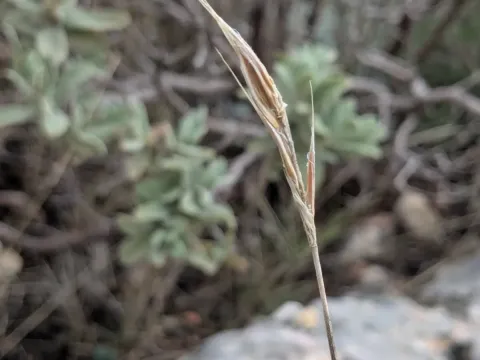
Trachynia
Trachynia
Sowing of Trachynia is primarily carried out in the spring period when the soil warms up to 8-10 degrees Celsius. The optimal time is early spring, which allows plants to maximize the use of soil moisture stored after the winter.
What the section contains
Trachynia
Late autumn sowing is possible in regions with mild climates, which facilitates an earlier start of the growing season. The seeding depth is between 1 and 2 centimeters, which is critical for the small seeds of this grass genus.
The sowing rate is calculated based on the purity and germination capacity of the seed material, averaging 10-12 kilograms per hectare. Seeding density must be sufficient to form a dense stand that suppresses weeds.
An important step is pre-sowing rolling, which ensures better contact between seeds and soil particles. This facilitates uniform moisture distribution and more consistent seedling emergence in the field.
After emergence, light harrowing is recommended if necessary to break the soil crust. This practice improves aeration of the root system and accelerates the initial development of the plants.
Trachynia belongs to the Poaceae family and has specific growth requirements. It prefers well-drained loamy or sandy loam soils with a neutral or slightly acidic pH level.
The crop demonstrates moderate drought tolerance; however, to obtain high yields of green mass, a stable moisture regime is necessary. During critical growth phases, water deficit can negatively impact productivity.
The plant is light-loving, so the planting areas must be open and not shaded by trees or shrubs. Lack of sunlight leads to stem elongation and a reduction in the overall leafiness of the plant.
The optimal temperature range for active growth is between 15 and 25 degrees Celsius. Under extremely high temperatures and lack of rainfall, plants may enter a state of forced dormancy.
Fertilizers are applied based on soil analysis; the crop responds well to nitrogen top-dressing during the tillering phase. A balance of phosphorus and potassium is also vital for strong root system formation.
Typical diseases for this crop include various types of rust that affect the leaf apparatus. High air humidity and overly dense stands contribute to fungal infection, which requires adherence to recommended seeding rates.
Powdery mildew can also affect Trachynia crops under certain climatic conditions. Prevention involves using resistant varieties and following crop rotation, avoiding monoculture in the same field.
Among pests, the greatest danger is posed by cereal flies and flea beetles, which damage young sprouts. An effective method of control is the pre-sowing treatment of seeds with insecticides.
In some years, damage from aphids may occur as they suck sap from the leaves, slowing plant growth. In the event of massive infestations, chemical protection measures approved for agricultural use are applied.
Regular phytosanitary monitoring of the crop allows for the timely detection of infection sites. A comprehensive approach, combining agrotechnical and chemical measures, ensures long-term crop health.
Harvesting Trachynia for green mass is carried out during the heading phase, when the plant contains the maximum amount of nutrients. Delaying mowing leads to tissue coarsening and loss of forage value.
When harvesting for seed, cutting begins upon reaching full maturity, when the grain becomes firm and the panicles take on a straw-like color. It is important to prevent seed shedding due to over-ripening.
Mowing is performed with combines with proper adjustment of the threshing machine gaps. Careful handling of the crop minimizes yield losses and mechanical damage to the seed material.
Post-harvest seed processing includes cleaning from impurities and drying to a standard moisture level, usually around 14 percent. Proper storage in a dry, ventilated area guarantees the preservation of seed quality.
Plant residues left after harvesting are incorporated into the soil or used as mulch. This contributes to the accumulation of organic matter and improves the fertility of the cultivated areas.