
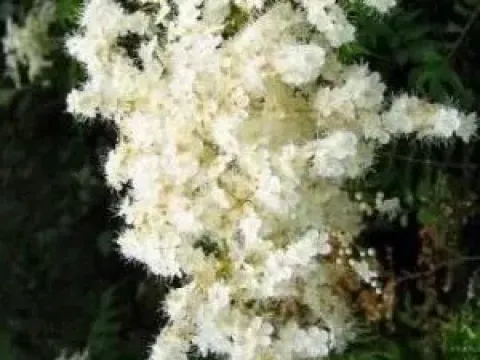
Tree sorbaria
Sorbaria arborea
Tree sorbaria (Sorbaria arborea) is a notable deciduous shrub belonging to the Rosaceae family. Native to the mountain regions of China, this plant thrives in temperate climates, preferring moist environments and semi-shaded habitats.
What the section contains
Tree sorbaria
Botanically, it is distinguished by its pinnate leaves that bear a striking resemblance to rowan leaves, and its impressive panicles of small white flowers that appear in mid-summer. The shrub can grow quite large, making it a prominent feature in large landscapes.
Cultural requirements involve planting in nutrient-rich, moisture-retentive soils. While the shrub is quite hardy, it performs best when protected from extreme droughts, which can damage its foliage and limit its growth potential significantly.
Agronomic practices include consistent watering during the growing season and seasonal mulching to maintain soil moisture. Annual pruning is essential to remove old, woody stems and to promote fresh, vigorous growth for better flowering the following year.
It is widely used in landscape design for large-scale screenings, erosion control on slopes, and as a bold architectural focal point. Its rapid growth rate makes it an excellent choice for stabilizing soil in landscape projects.
The plant is relatively robust but can occasionally suffer from powdery mildew if grown in overcrowded or poorly ventilated conditions. Ensuring proper spacing between plants helps significantly in reducing the risk of fungal infections.
Aphids are the most common pests, typically clustering on young, tender shoots. Infestations are generally managed with insecticidal soaps or systemic treatments applied as soon as the first signs of activity are noticed.
Leaf-eating insects may also cause aesthetic damage, though they rarely jeopardize the overall health of an established shrub. Regular inspection of the undersides of leaves can help in catching pest issues before they spread throughout the canopy.
Proper maintenance, including the timely removal of dead or diseased branches, is the best preventative strategy against disease. This allows for better airflow and helps the plant remain resilient against common environmental stressors.
Balanced fertilization is key to maintaining a strong immune system for the tree sorbaria. Avoiding heavy nitrogen applications late in the season ensures that new growth has time to harden off before the winter frost sets in.