
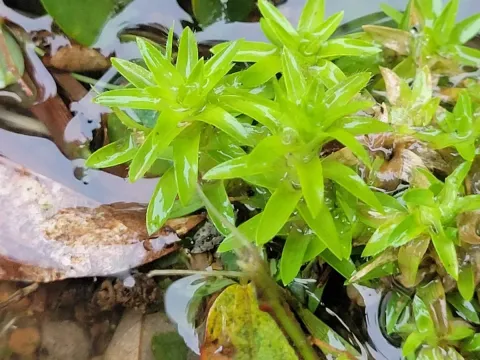
Tonina
Tonina
Tonina is a genus of delicate aquatic plants belonging to the Eriocaulaceae family. Originating from the tropical regions of South America, these plants typically inhabit acidic, nutrient-poor waters of marshes and riverbanks.
What the section contains
Tonina
In the world of aquascaping, Tonina is considered an expert-level plant. Its unique, needle-like leaf structure and vivid green coloration make it a highly sought-after species for high-tech planted aquariums, despite its challenging nature.
The most critical requirement for Tonina is the quality of the water. It strictly demands very soft water with a low carbonate hardness (kH below 2) and an acidic pH ranging between 5.5 and 6.5. Deviations from these parameters are usually fatal to the plant.
High-intensity lighting is necessary to trigger photosynthesis in these plants. Given their slow growth rate, proper spectral balance is essential to prevent algae from competing for resources and to maintain the plant's structural integrity.
A specialized, nutrient-rich substrate designed for aquatic plants is mandatory. The roots rely on this substrate for essential minerals, and the soil's ability to buffer the water towards a slightly acidic state is crucial for the long-term success of the culture.
The primary threat to Tonina is unstable water conditions. Any sudden shift in pH or hardness levels often causes the plant to undergo rapid tissue decay, starting from the crown and moving downwards, which is difficult to reverse once initiated.
Algae infestation poses a significant danger. Because Tonina grows relatively slowly compared to common stem plants, it is highly susceptible to being overtaken by filamentous or brown algae if the nutrient balance in the aquarium is not perfectly tuned.
Nutrient deficiency, particularly regarding iron and micro-minerals, manifests as chlorosis in the new growth. If the plant does not receive adequate nutrition through the roots or water column, the stems will weaken and the color will fade significantly.
Poor water circulation in the tank can lead to stagnant zones around the base of the plant. This lack of flow facilitates the buildup of organic waste, which can eventually cause root rot and stem failure.
Effective management requires a strict maintenance schedule. Regular water changes using reverse osmosis water are essential to prevent the accumulation of minerals that increase water hardness, thereby protecting the plant from physiological stress.