
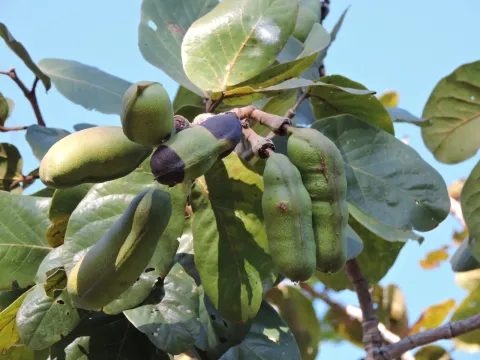
Trachylobium
Trachylobium
Trachylobium is propagated primarily through seeds within dedicated forest nurseries. The sowing process requires a nutrient-rich substrate and maintained warmth to ensure consistent germination rates, typical for the legume family.
What the section contains
Trachylobium
The ideal sowing window aligns with the onset of the rainy season to capitalize on natural moisture for initial root development. Adequate hydration is critical during the first two years of the plant's life cycle to ensure establishment.
Seeds possess a hard, durable coat, necessitating mechanical or chemical scarification to facilitate water absorption and accelerate the germination process. This technique helps achieve a more uniform stand of seedlings.
In large-scale operations, container-grown seedlings are preferred for transplantation. This method protects the delicate root structure and significantly increases survival rates when the plants are moved to the field.
Planting density is determined by the specific land-use goals, typically ranging from 400 to 800 trees per hectare. This spacing allows for adequate canopy development, which is essential for biomass accumulation and resin productivity.
As a member of the Fabaceae family, Trachylobium thrives in tropical climates characterized by stable, high temperatures throughout the year. It is inherently adapted to the conditions of tropical forest ecosystems.
The culture requires well-drained, fertile soil with a neutral to slightly acidic pH. Waterlogging is detrimental to the root system, making slope cultivation or well-managed terrain essential to prevent decay.
Full sun exposure is vital for mature trees, although young saplings benefit from partial shade. This mimicry of the multi-layered forest environment supports healthy development in the early growth stages.
High relative humidity and substantial annual rainfall (1500–2000 mm) are necessary for optimal productivity. In regions experiencing dry spells, irrigation systems are vital to sustain growth rates and resin formation.
Ongoing agronomic maintenance involves clearing invasive vegetation from the base of the trees. Regular application of organic fertilizers ensures the trees receive necessary micronutrients for healthy wood and resin maturation.
The primary agricultural product of Trachylobium is its valuable resin, known as copal. This resin is widely sought after for its use in high-end varnishes, paints, and the fragrance industry due to its chemical stability.
Resin yields depend on the tree's maturity, environmental stressors, and harvest intensity. Sustainable tapping techniques are employed to maximize output while preserving the long-term health of the tree.
In addition to resin, the tree provides high-density, durable timber. This wood is highly resistant to pests and decay, making it a premium choice for high-quality furniture, boat building, and carpentry projects.
Commercial plantations are managed through rotation cycles that balance timber harvest with sustainable resin collection. This multi-product approach ensures economic viability for forestry operations over decades.
Productivity is measured by the total volume of timber and the quality of harvested resin. Continuous improvements in silvicultural practices are helping farmers increase yields through selective breeding and enhanced soil management.
The culture is susceptible to various fungal pathogens that target the roots and trunk, especially in areas with poor drainage. Moisture management is the primary defense against such outbreaks.
Wood-boring insects, including specific beetles, pose a risk to the tree's structural integrity. Regular monitoring and the removal of severely infected individuals are necessary to prevent the spread of infestations across the plantation.
Invasive weeds and climbing vines compete with Trachylobium for sunlight and nutrients. If left unchecked, these competitors can severely stunt the growth of young saplings, leading to plantation failure.
Local wildlife can cause physical damage by stripping bark, which creates entry points for diseases. Implementing physical barriers or protection methods is an effective way to minimize damage in younger stages.
Extreme weather events, such as tropical storms, can cause structural damage to branches and trunks. Developing windbreaks around the plantation perimeter is a recommended strategy for long-term tree protection.
Resin harvesting involves careful incisions in the bark or the collection of hardened copal deposits from the soil around the base of the tree. This labor-intensive task requires precision to avoid damaging the underlying cambium layer.
Timber harvesting is conducted on a selective basis once trees reach full maturity. Each harvest plan is designed to maintain the plantation’s density and ensure the ongoing sustainability of the forest block.
Post-harvest, resin is cleaned of impurities like bark and soil through manual sorting and washing. Quality control is strict, as the market value is determined by the clarity, color, and size of the resin pieces.
Harvested timber undergoes an air-drying process in well-ventilated areas to prevent warping and cracking. This controlled drying is essential to maintain the wood’s characteristic hardness and structural integrity.
Storage requires cool, dry conditions to protect the resin's chemical properties from degradation. Efficient logistics and proper warehousing are crucial for maintaining product quality until it reaches the final processor.