
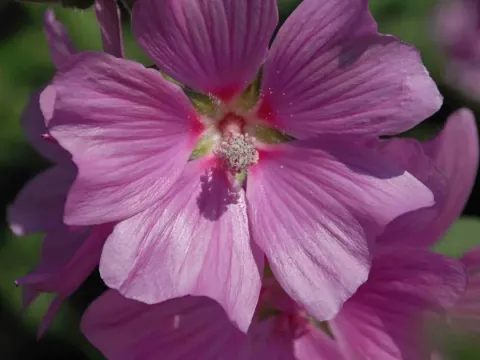
Tree lavatera
Lavatera olbia
Lavatera olbia is a perennial semi-shrub that requires careful timing for seed germination. In temperate regions, sowing indoors should begin in early spring, typically late March, to ensure a strong root system before transplantation.
What the section contains
Tree lavatera
When sowing directly into the garden, soil temperature is the deciding factor. It is essential to wait until the ground has fully warmed up and all risks of frost have passed to ensure rapid and uniform emergence.
Seeds should be covered lightly with a fine layer of soil. The germination process is light-dependent, so keeping the seeds near the surface is crucial for successful establishment.
Transplanting young seedlings requires precision. Using biodegradable pots minimizes root disturbance, which helps the plants settle into their permanent garden positions much faster.
Spacing is a vital consideration for this species. Given its potential for vigorous growth, maintaining a distance of at least 50 centimeters between plants promotes healthy airflow and long-term vitality.
This species thrives in sunny locations with well-drained, fertile soil. It is particularly sensitive to waterlogged conditions, which can quickly lead to root rot and other physiological issues.
While Lavatera olbia is moderately drought-tolerant once established, supplemental watering during the peak growing season is necessary to maximize flowering potential and maintain foliage quality.
Soil pH should ideally be neutral or slightly alkaline. Amending heavy soils with organic matter like compost improves structure and drainage, which is beneficial for the plant's overall development.
Pruning is an essential maintenance task. By cutting back the woody stems in early spring, gardeners can encourage bushier growth and rejuvenate the plant after the winter season.
- Optimal Sun Exposure: Full sun.
- Soil Texture: Sandy loam or well-draining soil.
- Fertilizer: Low-nitrogen, balanced blend.
Rust disease is the most significant pathological threat to Lavatera olbia. It manifests as orange pustules on leaves, requiring prompt removal of affected material and the application of fungicides.
Powdery mildew is another common issue, especially in environments with high humidity and stagnant air. Proper plant spacing is the primary preventive measure against this fungal pathogen.
Pests such as aphids and spider mites can severely weaken the plant by feeding on the sap of young stems and buds. Early intervention with suitable horticultural oils or soap sprays is effective.
General sanitation, including the removal of dead or decaying plant matter, is crucial for preventing the overwintering of pathogens that could affect the next growing season.
Maintaining a balanced nutrient program avoids excessive vegetative growth, which can make the plant more susceptible to pest infestations and structural damage during high winds.