
Trewia
Trewia
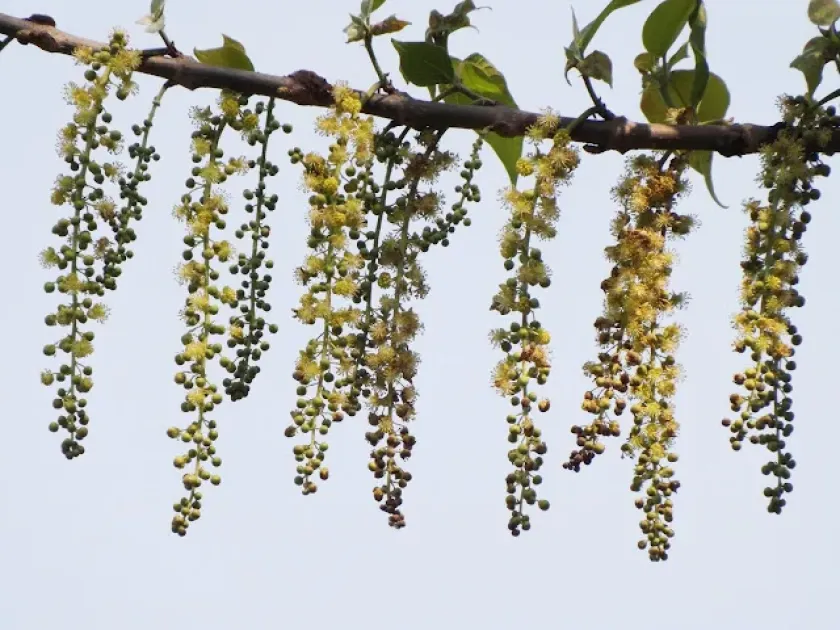
Description
Growing requirements
Trewia (Trewia nudiflora) is a deciduous tree species belonging to the Euphorbiaceae family. It is known for its robust structure and its ability to thrive in environments that would be unsuitable for many other hardwood trees.
Native to tropical regions across Asia, including India, Indochina, and parts of China, the tree is primarily found in riparian zones and floodplains. Its ability to tolerate wet soil conditions makes it a key species in riverine ecosystems.
The climate requirements for Trewia include consistent high temperatures and significant annual rainfall. It is strictly a tropical species and is highly sensitive to frost or cold snaps, which limits its commercial cultivation to tropical latitudes.
Soil preferences involve moist, deep, alluvial soils where the tree can access water throughout the year. It exhibits an impressive tolerance to waterlogging, allowing it to survive in areas where the soil remains saturated for long periods during the monsoon season.
In terms of economic utility, Trewia is primarily grown for its timber. The wood is lightweight, soft, and easy to work with, making it an excellent raw material for the production of matchsticks, plywood, paper pulp, and shipping crates.
Main diseases and pests
Fungal pathogens represent a primary threat, particularly in regions with extremely high humidity. These infections can lead to root rot or bark decay, significantly weakening the tree structure if left unmanaged in dense plantation settings.
Various insect pests, including wood-boring beetles and defoliators, are commonly associated with this species in its native range. These pests can cause severe damage to young saplings and potentially stunt the growth of established trees.
Herbivory by wild animals poses a significant challenge during the establishment phase of Trewia plantations. Young shoots and fresh bark are often consumed by deer and other large herbivores, necessitating the use of protective barriers.
Environmental stressors such as unseasonable droughts can exacerbate vulnerability to pest infestations. Ensuring consistent water availability is not only vital for growth but also serves as a preventative measure against various opportunistic pathogens.
Integrated pest management strategies are recommended to maintain plantation health. This includes selecting resistant cultivars where possible and employing biological control agents to mitigate insect damage without relying heavily on chemical inputs.