
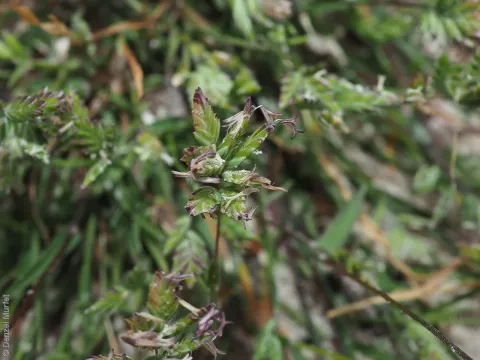
Torch bluegrass
Poa fax
Torch bluegrass cultivation requires careful preparation of the seedbed. The optimal sowing time is early spring when the soil retains sufficient moisture for germination.
What the section contains
Torch bluegrass
Winter sowing is also a viable option in late autumn, allowing seeds to undergo natural stratification, which often results in more vigorous emergence in early spring.
Seeding rates typically range from 10 to 15 kilograms per hectare, depending on seed quality and soil conditions. Planting depth should be shallow, ideally between 1 and 2 centimeters.
Firming the soil after sowing using a roller is crucial to ensure good seed-to-soil contact, which significantly improves the chances of uniform germination.
Effective weed control prior to sowing is essential, as torch bluegrass seedlings can be vulnerable to competition during their early establishment phase.
This species thrives in well-drained, moderately moist soils. It is relatively adaptable, but prefers loamy textures with good aeration for optimal root development.
The ideal soil pH is neutral or slightly acidic. If soil acidity is high, applying lime prior to sowing is recommended to create a favorable environment for the grass.
Torch bluegrass is highly winter-hardy, making it suitable for regions with harsh winters. It maintains its viability even under significant temperature fluctuations.
While the plant shows some tolerance to light shade, it produces the most biomass and seed when grown in open, sunny areas with full light exposure.
Nutrient requirements include balanced fertilization with nitrogen, phosphorus, and potassium, especially in the first two years of the stand's lifecycle.
The yield of torch bluegrass is heavily dependent on soil fertility and moisture management. With proper fertilization and regular moisture, it can produce high-quality forage.
In regions where supplemental irrigation is available, biomass yields can be significantly increased, allowing for multiple cuts during the growing season.
The peak productive years of the stand are typically between the second and third years after establishment. Periodic renewal or overseeding may be needed later.
Seed harvesting requires precise timing, as the seeds have a tendency to shatter once fully mature. Harvesting at the wax-ripe stage is the best strategy.
The high protein content of the forage makes it an excellent choice for livestock feed, whether preserved as hay or utilized as fresh pasture forage.
Common diseases affecting this crop include various rusts and leaf spot fungi. These are more prevalent during periods of high humidity and cool temperatures.
Insect pests, such as cereal flies and stem fleas, can damage young seedlings. Vigilant monitoring is necessary during the early stages of development.
Root rots can be a major issue in fields with poor drainage. Implementing a proper crop rotation system is the most effective way to prevent these soil-borne diseases.
Maintaining a healthy, well-fertilized stand helps the plants build better natural immunity against many common pathogens and insect infestations.
In cases of high pest pressure, the application of registered biological or chemical insecticides may be necessary to protect the stand integrity.
For high-quality hay, the crop should be mowed at the booting or early heading stage before the plants begin to lignify and lose their nutritional density.
When producing silage, the forage should be wilted to the appropriate moisture level to ensure proper fermentation and preserve high sugar content.
Seed harvesting can be accomplished via direct combining or by swathing the crop first. Swathing is often preferred to reduce losses due to shattering.
After the final harvest of the season, the field can serve as a supplemental pasture for light grazing, which is efficient for maximizing land use.
Storage of hay and seeds must be in dry, well-ventilated areas. Protecting the harvest from moisture and pests is critical to maintaining quality until use.