
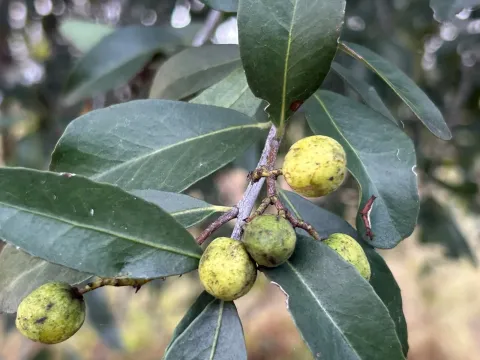
Transvaal saffron
Cassine transvaalensis
Transvaal saffron (Cassine transvaalensis) belongs to the Celastraceae family. It is a robust tree species native to the savannas and woodlands of Southern Africa, highly regarded for its resilience.
What the section contains
Transvaal saffron
The species thrives in well-drained sandy or loamy soils. It is intolerant of waterlogged conditions, making effective soil drainage essential for the health of the root system.
Optimal growth requires full sun exposure. While the tree can tolerate partial shade, maximum fruit production and healthy branching are achieved in environments with consistent sunlight.
The climate requirements include high temperatures and a frost-free environment. It is poorly suited for temperate regions, where it must be cultivated under greenhouse protection to survive winter.
Agrotechnical practices involve careful irrigation during the dry season and moderate fertilization. Regular pruning helps maintain a structural shape and encourages the growth of healthy foliage.
The plant is primarily utilized for its medicinal properties. The bark is widely harvested in traditional herbal medicine to treat various inflammatory conditions and digestive disorders.
The wood of Cassine transvaalensis is highly valued for its durability and fine grain. It is often used to craft durable tools, handles, and small-scale ornamental woodwork.
The fruit of the tree acts as a significant food source for local bird species, contributing to the agricultural biodiversity of the areas where it is cultivated.
Research into the biochemical properties of the plant suggests potential for future pharmaceutical applications, increasing its commercial interest for sustainable harvesting.
When managed as a sustainable crop, the yield of bark and biomass remains consistent, provided the trees are allowed sufficient time to reach maturity before harvesting cycles begin.
Root rot is the most common pathology, usually triggered by excessive irrigation or poor soil structure. Proper site selection is the best preventative measure against this threat.
Insect pests, specifically scale insects and spider mites, can cause significant damage to foliage. Regular scouting and the application of horticultural oils help maintain low pest populations.
Competition from invasive weeds can severely hamper the growth rate of young saplings. Keeping the planting area clear is essential for the tree to establish itself successfully.
Fungal infections in the woody tissues, particularly after pruning wounds, require the application of sealing agents to prevent pathogen entry into the tree's vascular system.
Environmental stress, such as extreme salinity or prolonged periods of drought without adequate mulching, can lead to physiological decline and increased susceptibility to secondary infections.