
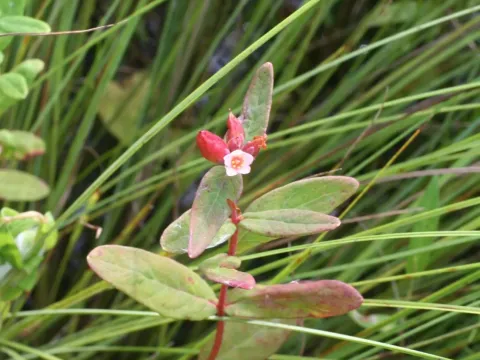
Triadenum japonicum
Triadenum japonicum
Triadenum japonicum is a perennial herbaceous plant belonging to the Hypericaceae family. It is distinct for its adaptation to wetland environments, making it a specialized culture in botanical collections and niche horticultural landscapes.
What the section contains
Triadenum japonicum
The native range of this species is primarily East Asia, specifically Japan and adjacent regions. It naturally thrives in marshes, along riverbanks, and in boggy areas where constant moisture is present throughout the growing cycle.
Botanically, the plant features erect stems and opposite leaves, typical of the Hypericaceae family, but with specific physiological adaptations for waterlogged conditions. Its root system is highly efficient at extracting nutrients from oxygen-depleted soil types.
Cultivation requirements involve maintaining a consistently wet substrate. It performs best in soils rich in organic matter, such as peat or loam, provided that the soil pH is kept in the slightly acidic to neutral range for optimal nutrient uptake.
In terms of climate, Triadenum japonicum favors temperate zones with stable humidity levels. It lacks tolerance for prolonged drought, meaning that moisture management is the single most critical factor in the plant's overall health and productivity.
The primary threats include fungal pathogens such as leaf spot and root rot, often exacerbated by stagnant air or excessive humidity combined with lack of ventilation. Proper spacing is required to mitigate these risks.
Insect pests often include aphids or slugs, which are particularly attracted to the tender foliage found in damp, shaded environments. Monitoring the underside of leaves for early signs of infestation is a recommended practice.