
Sophronitis
Sophronitis
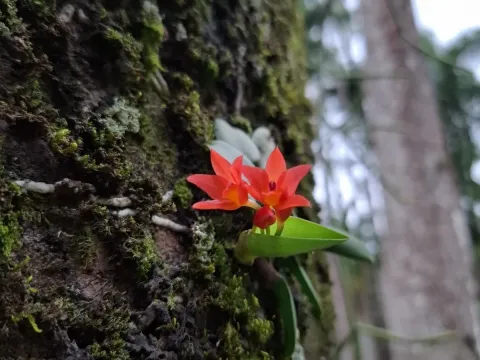
Sophronitis is a genus of miniature epiphytic orchids belonging to the Orchidaceae family. These plants are native to the tropical forests of South America, primarily inhabiting the cloud forests of Brazil.
What the section contains
Sophronitis
The botanical structure of Sophronitis is defined by a sympodial growth habit. Each unit consists of a dense pseudobulb that supports a single, stiff, and leathery leaf, perfectly adapted to withstand varying humidity levels.
Cultivation requirements are strict regarding moisture and light. These orchids thrive in high humidity levels of approximately 70-80% and require bright, indirect light to maintain healthy pseudobulb development.
A cool to intermediate temperature range is critical for their success. Many species within this genus benefit from a noticeable drop in nighttime temperatures, which triggers the flowering cycle.
When selecting a growing medium, cork slabs or very fine pine bark are preferred to ensure rapid drainage. Sophronitis roots are extremely sensitive to stagnant moisture and require excellent airflow to prevent root decay.
The primary economic use of Sophronitis is in the professional and hobbyist orchid trade. It is highly valued by breeders for its vibrant, intense red colors and compact growth size.
Through hybridizing, Sophronitis has contributed its genes to thousands of miniature hybrid orchids, making it a cornerstone of modern orchid breeding programs.
Success in production is measured by the frequency of blooming and the intensity of floral pigmentation. Well-maintained plants can produce several showy flowers relative to their small size.
Market demand is driven by orchid enthusiasts who specialize in miniature species. These plants are considered high-value items in specialized botanical nurseries and collections.
Long-term health is maintained by applying dilute fertilizer during the active growing season, focusing on root development before the onset of the flowering stage.
The most significant threats to Sophronitis are fungal and bacterial infections, often exacerbated by overwatering. These pathogens quickly penetrate the pseudobulbs, leading to rapid tissue death.
Common pests include spider mites and scale insects. These organisms thrive in environments where air circulation is poor and humidity levels are inconsistent, necessitating regular monitoring.
Root rot is the most common physiological disorder caused by improper watering techniques. Using purified water and ensuring the medium dries out appropriately is vital for long-term survival.
Pest management relies on integrated methods, including manual removal for mild infestations and the application of targeted insecticides or acaricides for more severe cases.
Preventative measures are essential, such as ensuring proper ventilation and maintaining a clean growing environment to reduce the risk of secondary infections spreading to healthy plant tissues.