
Phyla lanceolata
Phyla lanceolata
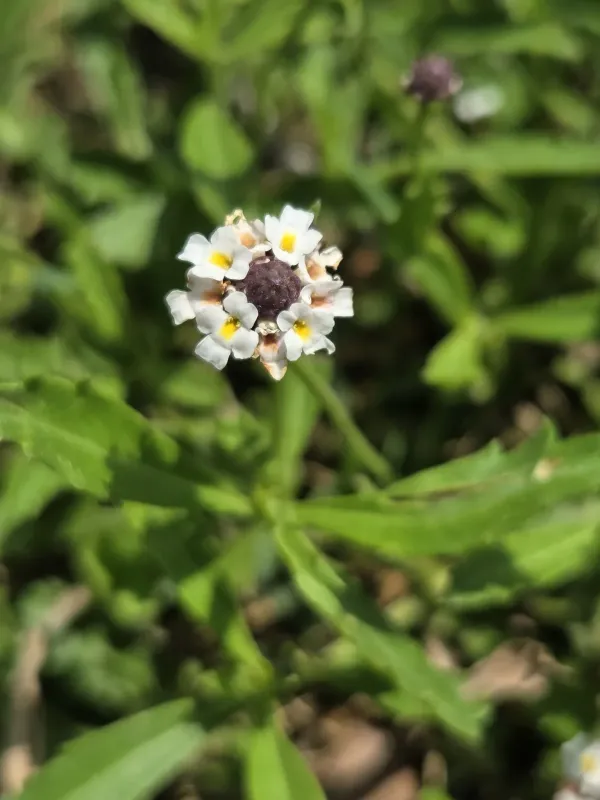
Description
Growing requirements
Phyla lanceolata, commonly known as lanceleaf fogfruit, is a herbaceous perennial plant belonging to the Verbenaceae family. Native to North and South America, it naturally thrives in wet, marshy environments including streambanks, wet meadows, and pond edges.
The plant features creeping stems that root at the nodes, allowing it to form dense, spreading mats across the soil surface. The leaves are lance-shaped or ovate with serrated margins, providing a lush green appearance. Flowers are small, clustered in head-like spikes, and typically white to pale purple in color.
To cultivate Phyla lanceolata successfully, one must ensure consistent soil moisture. The plant is highly tolerant of wet feet and can even survive periodic inundation, making it an excellent choice for poorly drained areas of a garden.
While it prefers full sun for optimal flowering, it can tolerate partial shade. The ideal soil is rich, loamy, and moisture-retentive. Because it spreads rapidly via stolons, it is highly effective at outcompeting weeds in suitable habitats.
In landscaping, this species is valued for its ability to stabilize soil and serve as a low-maintenance groundcover. It is often used in rain gardens, wetland restoration projects, and as a native alternative to traditional turf grass in damp zones.
Main diseases and pests
The primary threats to the health of Phyla lanceolata are fungal infections such as powdery mildew, which can occur during periods of high humidity and poor ventilation.
Garden pests such as slugs and snails are known to feed on the tender foliage of the plant, particularly in spring when the growth is most succulent and vulnerable.
Although generally hardy, the plant may suffer from spider mite infestations if subjected to prolonged drought conditions, which stress the plant's natural defenses.
Cultural control is the best defense; maintaining adequate spacing and removing debris around the plant base significantly reduces the incidence of fungal and pest issues.
Chemical intervention should be avoided, especially in riparian or wetland areas, to prevent runoff and contamination, making integrated pest management the preferred approach.