
Phyla incisa
Phyla incisa
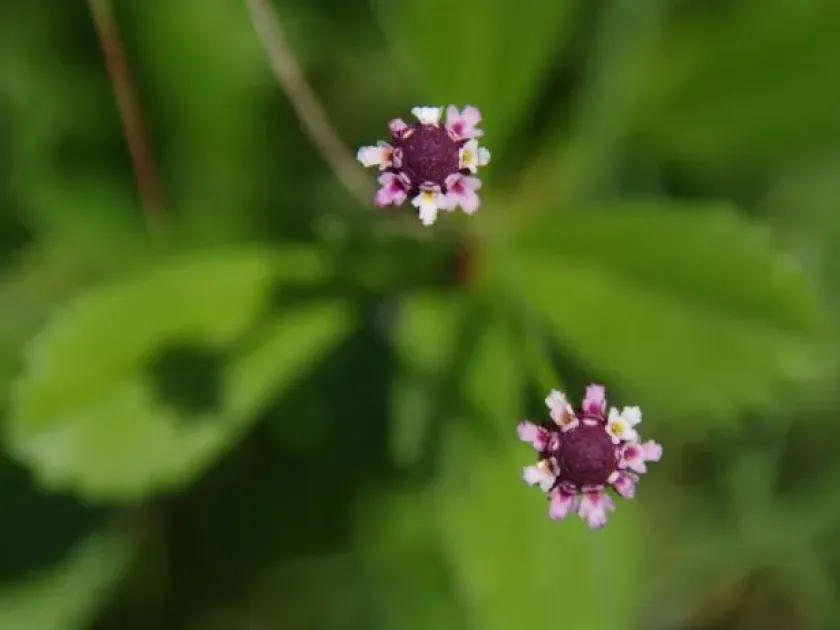
Description
Growing requirements
Phyla incisa is a distinct member of the Verbenaceae family, recognized for its aggressive spreading habit and ability to form dense carpets. Originally native to the Americas, this plant has adapted to various subtropical and tropical environments.
Botanically, it is defined by its creeping stems that nodes readily root into the soil. The foliage is characterized by its serrated (incised) margins, which gives the plant a unique texture and visual appeal in mass plantings.
For cultivation, Phyla incisa requires full sun exposure to maintain its compact growth form. While it shows some tolerance to partial shade, limited light often results in elongated stems and diminished flowering intensity.
The ideal soil for this species is well-draining, nutrient-rich, and kept consistently moist. While it can tolerate brief periods of dryness once established, its aesthetic quality significantly improves with regular irrigation and moderate moisture levels.
In landscaping, this species is highly valued for its utility in erosion control and as a sustainable alternative to traditional lawn grass. It is effectively used in borders, rock gardens, and areas where a quick-establishing ground cover is desired.
Main diseases and pests
The plant is susceptible to fungal diseases such as leaf spots and root rots, primarily when planted in waterlogged soils or areas with poor air circulation. Proper spacing during planting is essential to prevent these humidity-related issues.
Insect pests, including spider mites and aphids, may colonize the foliage during hot and arid spells. Integrated pest management strategies, such as periodic checking and targeted treatment, are necessary to ensure the plant remains vigorous and attractive throughout the growing season.