
Wedge-leaf fogfruit
Phyla cuneifolia
Description
Growing requirements
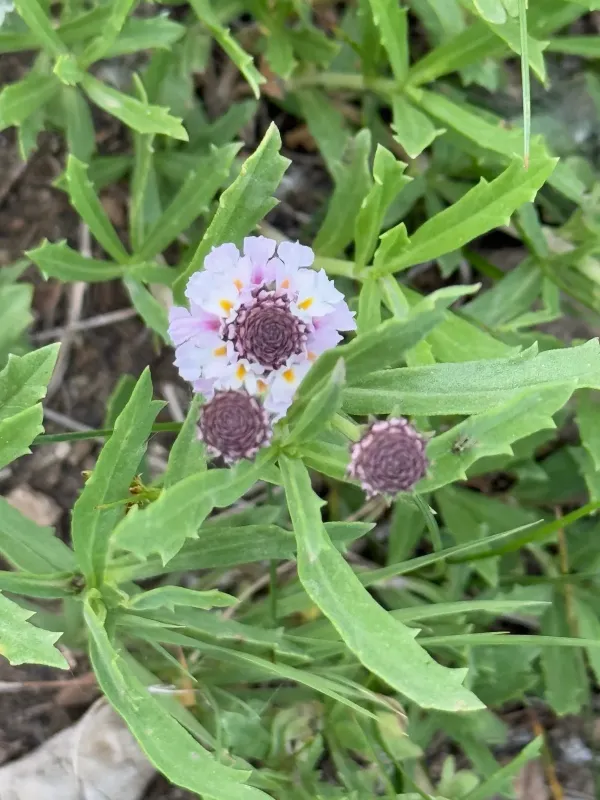
Wedge-leaf fogfruit (Phyla cuneifolia) is a perennial creeping plant belonging to the Verbenaceae family. It is recognized for its low-growing habit and its ability to spread rapidly via runners that root at each node.
Native to North America, specifically arid regions in the central and western United States, it thrives in environments that are challenging for many other species.
The plant exhibits remarkable resilience to extreme heat and drought conditions, as well as high tolerance to soil salinity, making it an excellent candidate for stabilizing soil in harsh landscapes.
To ensure healthy growth, the crop requires full sun exposure and well-draining soil types, as it is highly sensitive to moisture accumulation that leads to root distress.
Agricultural management is relatively low-input, focusing mainly on weed control during the establishment phase, as the plant quickly forms a dense cover that suppresses competitors.
Main diseases and pests
Phyla cuneifolia is generally robust and resistant to most common plant diseases, showing strong natural immunity when grown in appropriate environments.
However, pests such as aphids and spider mites can occasionally affect the foliage, particularly when the plant experiences heat-related stress during peak summer months.
Excessive watering or poor drainage in the field can trigger fungal pathogens, potentially causing stem rot and patch necrosis in established colonies.
Maintaining air circulation around the plants is essential for preventing the development of moisture-borne infections in the dense carpet of foliage.
Integrated pest management strategies should focus on visual monitoring and minimizing chemical interventions to preserve the beneficial balance of the local ecosystem.