
Stinging nettle
Urtica dioica L.
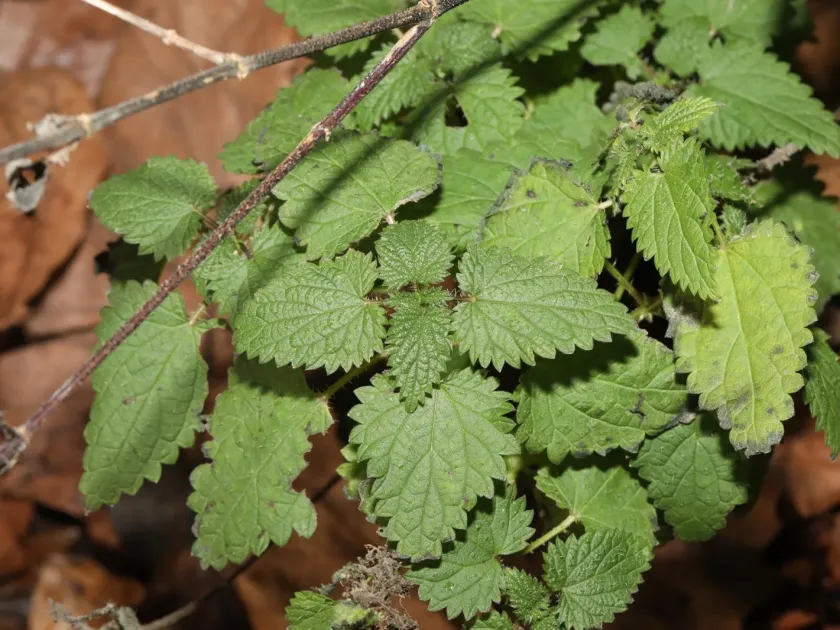
Description
Sowing dates
Urtica dioica L., commonly known as stinging nettle, is typically propagated via seeds or rhizome division. Seeds should be sown in late autumn or early spring, buried no deeper than 0.5 cm because they require light for optimal germination.
When planting seeds, a spacing of 60–70 cm between rows is recommended to allow adequate room for leaf development. Soil must be kept consistently moist during the critical germination phase to ensure a high success rate.
Vegetative propagation using 10–15 cm rhizome segments is often preferred for commercial production as it results in faster, more uniform growth. Planting is usually done in shallow furrows, ensuring the rootstock is well-covered with soil.
Productive plots require well-prepared soil rich in organic matter. After the initial emergence, weeding is essential to minimize resource competition, especially during the early stages of plant development.
Young plants are sensitive to dry spells, so irrigation management is vital until they establish a robust root system capable of accessing deeper soil moisture layers.
Growing requirements
Stinging nettle belongs to the Urticaceae family and is a perennial herb characterized by its persistent, spreading rhizomatous root system. It is highly adaptable to various environmental conditions.
The plant thrives in fertile, loamy, and nitrogen-rich soils with a neutral to slightly acidic pH. Poor, sandy, or waterlogged soils significantly impede growth and reduce the overall quality of the crop.
While nettles can tolerate partial shade, they perform best in locations with dappled light. Adequate moisture is crucial, although the plant will not survive in standing water, which can trigger rhizome rot.
It is a hardy plant capable of surviving cold winter temperatures without special protection. Nitrogen availability is the primary driver of rapid vegetative biomass production in this species.
Optimal growth temperatures range from 18°C to 25°C. In favorable conditions, the plant displays a rapid growth rate, making it a highly productive crop for multiple seasonal harvests.
Yield
Stinging nettle is known for its remarkable ability to regenerate, allowing for multiple harvests within a single growing season. Under good management, 3–4 cuts can be achieved annually.
The average yield of dried leaves ranges from 1.5 to 3 metric tons per hectare, depending on soil fertility, water availability, and the intensity of the fertilization regime applied between cuts.
Consistent nitrogen top-dressing is essential to maintain high biomass production throughout the season. This ensures that the plant continues to produce lush, nutrient-rich leaf tissue after every harvest.
The plantation's longevity is typically between 5 and 7 years. After this period, rhizome density often becomes excessive, leading to reduced vigor and requiring field renewal.
Mechanical harvesting significantly improves efficiency, provided the equipment is calibrated to leave enough stubble for the plant to regenerate effectively after each cycle.
Main diseases and pests
Urtica dioica is generally resilient, but it can be susceptible to powdery mildew, especially in humid conditions with poor air circulation. Proper planting density is key to disease prevention.
Aphids and nettle leaf beetles are the most common pests, often targeting succulent new growth. These pests can damage leaf surfaces, thereby reducing the market value of the harvested material.
Integrated pest management, focusing on biological controls rather than chemical pesticides, is preferred to ensure the final product meets high purity standards for food and medicinal use.
Field sanitation, including the removal of crop debris after the final harvest of the season, helps reduce the overwintering populations of pests and pathogens in the soil.
Maintaining strong, healthy plants through optimal irrigation and nutrient management remains the most effective defense against the majority of common horticultural diseases.
Harvesting
The primary harvest window occurs just before or during the initial flowering phase. Harvesting at this stage ensures the highest concentration of bioactive compounds and vitamins in the leaves.
The plants are mown at a height of 10–15 cm to protect the growing points on the rhizomes. This practice encourages rapid regrowth of succulent new stems for the next harvest cycle.
Post-harvest handling is critical; the green biomass must be transported quickly to drying facilities to prevent overheating and degradation of heat-sensitive nutrients like chlorophyll and vitamins.
Drying should take place in ventilated areas at temperatures not exceeding 50°C. Controlled temperature drying preserves the quality and color of the medicinal raw material.
Finally, the leaves are separated from the stems, which are often discarded or processed separately, ensuring that only high-quality leaf material is packaged for end-use distribution.