Alfa-Prometrin
Zhejiang Zhongshan Chemical Industry Group Co., Ltd.
Herbicides
1
1
20 offers
4.93 €per pack
Buy

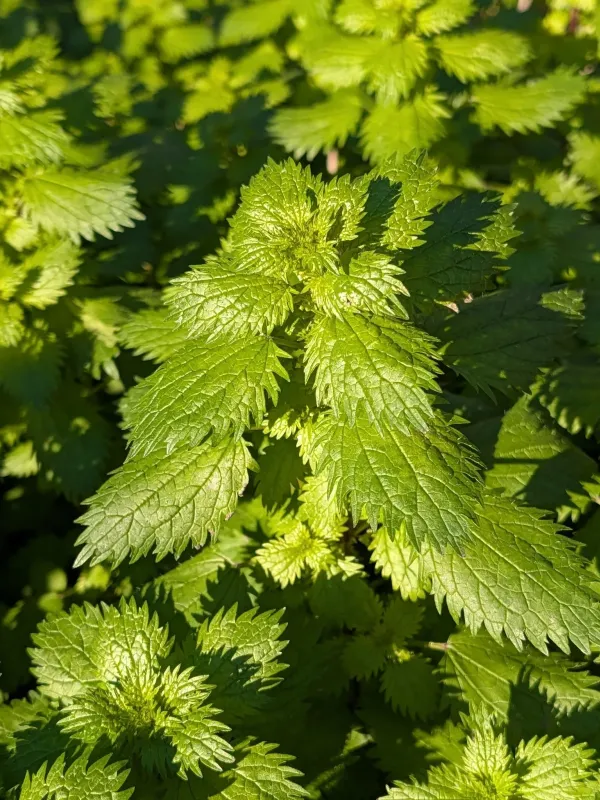
Small nettle (Urtica urens L.), belonging to the Urticaceae family, is an annual herbaceous plant known for its intense stinging sensation and potent biochemical profile. Unlike its perennial counterpart, it completes its life cycle in a single season.
Sowing should take place in early spring when soil temperatures reach approximately 5-8 degrees Celsius. For optimal results, soil must be well-prepared, loose, and free from persistent perennial weeds that could compete with the slow-growing seedlings.
Seeds are broadcast or sown in rows with spacing around 30-45 cm. Since the seeds are extremely small, they should be covered with only a thin layer of soil or fine compost, not exceeding 1 cm, to ensure successful germination.
Consistent soil moisture is vital during the emergence phase. The top layer of the soil should never dry out completely, making a light mulch or frequent mist irrigation highly beneficial during the first two weeks of cultivation.
To ensure a continuous supply of nettle foliage, successive sowings can be implemented every three to four weeks, allowing for a steady harvest throughout the growing season until the late autumn months.
Small nettle thrives in nutrient-dense, humus-rich soils. It has a high demand for nitrogen, which is the primary driver for its rapid vegetative development and leaf production, making well-composted organic soil the ideal medium.
The plant requires full sun to partial shade for optimal growth. High light intensity is crucial, as it directly influences the concentration of active compounds, including chlorophyll, vitamins, and minerals within the leaf tissue.
Regular irrigation is essential because Urtica urens is relatively drought-sensitive compared to other species. Water stress often triggers premature flowering, which significantly reduces the biomass yield and decreases the quality of the harvested product.
The soil should ideally have a near-neutral pH level. On excessively acidic or alkaline soils, the plant may show stunted growth and decreased nutritional value, necessitating appropriate soil amendments before the planting season begins.
Crop rotation is recommended to maintain soil health and reduce the buildup of soil-borne pathogens. Following vegetable crops that have been heavily manured is often the best strategy for high-yield nettle production.
The yield of small nettle depends heavily on the frequency of harvesting and the availability of nitrogen. Under intensive management, a harvest of 15 to 20 metric tons per hectare of fresh biomass is achievable in a single season.
The timing of the harvest is the most critical factor in determining product quality. Harvesting must occur before the onset of flowering to maintain the highest concentration of volatile oils and nutritional components.
Regular cutting of the nettle crop encourages lateral branching and the emergence of new, tender foliage. This practice allows for multiple cuttings, sometimes up to four times per season, provided the climatic conditions remain favorable.
For industrial processing, such as dried herb production, the dry-to-fresh ratio typically ranges from 15 to 20 percent. Proper storage of this biomass after harvesting is crucial to avoid microbial spoilage and nutrient degradation.
Yield stability is supported by balanced fertilization programs. Applying liquid organic fertilizers after each cutting helps replenish soil nutrients and promotes fast regrowth, ensuring sustainable output throughout the summer months.
Small nettle is generally hardy, but dense plantings can become susceptible to powdery mildew and various leaf spot diseases, particularly during periods of high humidity and poor air circulation within the canopy.
Insect pests, including aphids and various caterpillar species, can cause significant damage to the leaf tissue. Integrated pest management strategies using biological controls are preferred, especially in medicinal herb cultivation.
Weed management is a significant challenge during the initial weeks of growth. Using light mechanical cultivation between the rows is recommended to ensure the young plants are not overwhelmed by faster-growing vegetation.
In cases of waterlogging or poor drainage, root rot can emerge as a major threat. Ensuring that the planting site has adequate slope or subsurface drainage is a key preventive measure in field-scale production.
Because nettle is often intended for consumption or medicinal use, the use of synthetic pesticides should be avoided. Instead, focus on maintaining plant vigor through proper nutrition and crop rotation to naturally suppress pest and disease pressure.
Harvesting should be performed when the plants are in the late vegetative stage, just before the first inflorescences appear. At this stage, the stinging hairs are fully developed, and the plants reach their peak nutritional density.
Tools such as sharp sickles or mechanical mowers should be used to cut the plants approximately 5-7 cm above the ground. This height is sufficient to preserve the basal nodes, which are necessary for the plant to regenerate for subsequent harvests.
Post-harvest handling requires quick processing. Drying should be conducted in shaded, well-ventilated drying tunnels at temperatures between 40-50 degrees Celsius to lock in the nutrients and maintain a vibrant green color.
Due to the potent stinging hairs, all harvesting personnel must wear protective gloves and long-sleeved clothing. Even with gloves, the plant's formic acid-containing hairs can easily penetrate fabric, necessitating high-quality protective gear.
Once dried, the product should be cleaned to remove debris and dirt before being packed into breathable material such as paper sacks. This ensures the shelf life is extended and protects the herb from moisture-related spoilage during transport.