
Obetia ficifolia
Obetia ficifolia
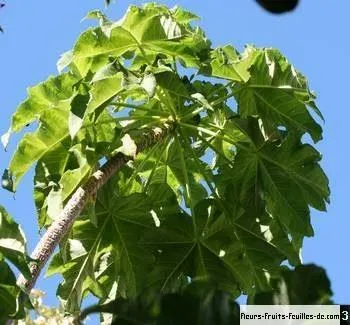
Description
Sowing dates
Obetia ficifolia, a member of the Urticaceae family, is typically propagated via seeds in controlled nursery environments to ensure high germination rates.
Seeds require a consistent temperature and a moist, well-draining medium to sprout successfully during the initial stages of development.
Seedlings are transplanted into the open field once they develop a robust root system and reach an appropriate size, usually around 20 centimeters in height.
Proper spacing between plants is essential to facilitate air circulation and allow sufficient room for the plant to develop its woody, fibrous stems.
Strategic planting dates are determined by the local climate, focusing on avoiding cold snaps that could stunt the early growth of this tropical species.
Growing requirements
The plant thrives in regions with warm, tropical climates, requiring significant sunlight exposure to maximize its biomass production.
Soil requirements include high organic matter content, excellent drainage, and a slightly acidic to neutral pH level to ensure optimal nutrient uptake.
While the plant shows some resistance to brief dry spells, consistent irrigation is vital during the peak growing season to ensure fiber quality.
Shelter from strong winds is recommended, as high-velocity gusts can damage the structural integrity of the plant's developing stems.
Managing soil fertility through the application of compost or balanced fertilizers is necessary to support the rapid growth rate typical of this species.
Yield
Obetia ficifolia is primarily cultivated for its high-quality bast fiber, which possesses properties suitable for various textile and industrial applications.
Yield efficiency is significantly improved by implementing rigorous pruning schedules, which encourage the development of new, high-fiber stems.
The extraction process involves harvesting the stems, followed by decortication or retting to isolate the valuable fibers from the woody core.
Consistent plantation management allows for a sustainable yield over multiple cycles, making it a viable option for specialized agricultural production.
Advanced processing techniques ensure that the fiber retains its natural strength, durability, and texture, maximizing its market value.
Main diseases and pests
The crop is occasionally prone to infestations by leaf-eating insects, which can reduce photosynthetic capacity if left unmanaged.
Fungal infections, particularly those affecting the root system or foliage, can occur in environments with high humidity and poor air circulation.
Early detection through regular field scouting is critical for managing potential pests and diseases before they reach economic damage thresholds.
Integrated pest management strategies, emphasizing biological controls, are preferred to maintain the quality and organic nature of the fiber.
- Powdery mildew
- Aphid infestations
- Root rot pathogens
- Leaf beetles
Harvesting
Harvesting takes place when the plant reaches technical maturity, indicated by the base of the stems beginning to lignify and harden.
Professional harvesters utilize sharp cutting tools to make precise incisions, ensuring that the plant remains healthy for subsequent regeneration.
Post-harvest management involves stripping leaves and bundled stems, followed by a controlled drying phase to prepare for fiber extraction.
Avoiding moisture accumulation during the drying stage is crucial to prevent the deterioration of the fiber quality before processing begins.
The harvest cycle concludes with field preparation, including fertilization, to promote the vigorous growth of the next crop cycle.