
Obetia radula
Obetia radula
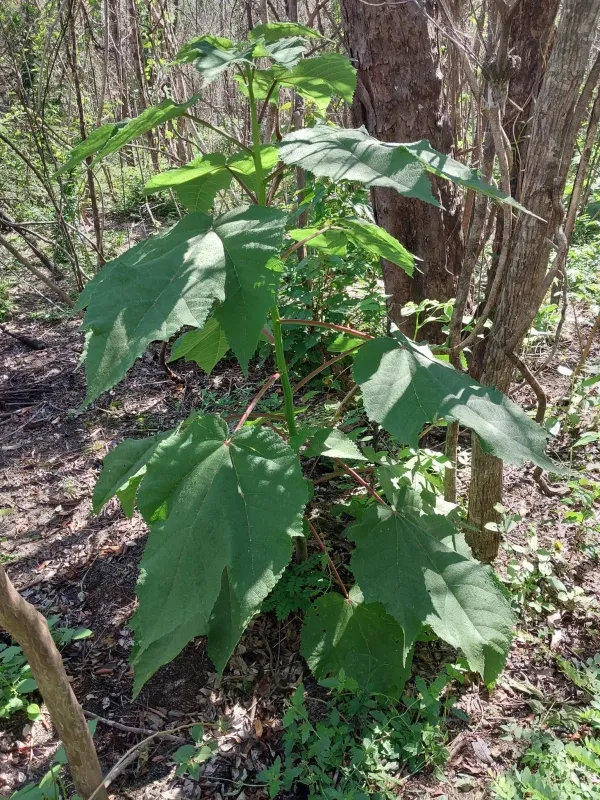
Description
Sowing dates
Obetia radula is a perennial, tree-like plant belonging to the Urticaceae family. Typically found in tropical regions, the plant is propagated during the rainy season when moisture levels are sufficient to support seed germination and the establishment of new seedlings.
When sowing seeds, it is crucial to maintain a consistent temperature profile that mimics the subtropical environment. The seeds should be planted in well-draining soil to ensure that the delicate roots are not subjected to waterlogging, which is a major risk for young plants.
Planting density must be carefully managed to account for the plant's natural growth pattern. Providing enough space between individuals encourages healthy crown development and ensures proper airflow, which is vital for reducing moisture-related diseases.
Site selection plays a significant role in successful cultivation. The plants should be situated in areas shielded from strong winds, as young branches are susceptible to mechanical damage. Early establishment of the root system is essential for the plant's long-term survival.
The agricultural cycle is designed to allow the plants to become robust before the onset of the dry season. This strategic planning ensures that the plant can focus its energy on biomass accumulation throughout the growing period.
Growing requirements
This crop is strictly limited to tropical environments, as it requires stable temperatures between 22 and 30 degrees Celsius. It lacks tolerance for frost, which limits its commercial cultivation to frost-free regions across the tropics.
Soil requirements involve light, fertile, and well-structured substrates. The plant prefers neutral to slightly acidic soil conditions. Proper drainage is the most critical factor, as stagnant water quickly leads to root rot and loss of plant vigor.
Regular but moderate watering is necessary, especially during the active growth phase. While the plant thrives in moist environments, it is essential to prevent excessive saturation of the soil profile, as this can impede nutrient uptake and overall growth.
Obetia radula performs best under bright, diffused sunlight. Intense, direct mid-day heat can cause foliage scorch on young specimens, so providing partial shade or utilizing the canopy of larger trees in agroforestry systems is a common management practice.
Routine soil maintenance, such as loosening the soil surface around the base, helps promote oxygen circulation. This, combined with moderate organic fertilization, supports the rapid vegetative growth required for the sustainable production of fiber.
Yield
The primary economic output of Obetia radula is the fiber extracted from the bark of its young shoots. The yield of this biomass is optimized through careful pruning, which encourages the development of long, strong stems suitable for fiber processing.
Harvesting is typically done on a rotational basis, with shoots cut once they achieve the desired thickness. This method allows for a continuous harvest over many years, as the base of the plant remains productive and capable of regenerating new growth.
The quality of the fiber is closely linked to the management of the plant. Healthy, fast-growing shoots harvested at the correct stage of maturity produce softer and more durable fibers, which are highly valued in local textile traditions.
To maximize yield, growers prioritize weed control during the early development stages. Eliminating competition allows the plant to allocate its full metabolic potential to the production of high-quality bark fibers.
As a perennial crop, it offers a sustainable source of raw material. Consistent management practices ensure that the plant remains a valuable component of local agricultural landscapes for extended periods.
Main diseases and pests
Like many members of the Urticaceae family, Obetia radula possesses stinging hairs that provide a level of defense against large herbivores. However, the plant is still susceptible to various pathogens and smaller pests common in tropical climates.
Fungal infections are the most significant threat, often developing in conditions with high humidity and poor airflow. Managing the density of the planting and ensuring the canopy remains open are effective ways to mitigate this risk.
Sap-sucking insects, such as aphids and spider mites, can cause considerable damage to the tender growing tips. If left unchecked, these pests can stunt growth and negatively impact the quality of the harvestable fiber.
Preventative measures include crop rotation and regular monitoring of the plants. By identifying potential issues early, farmers can intervene manually or with eco-friendly products, avoiding the need for harsh chemical treatments.
The overall resilience of the crop is best maintained through consistent care. A plant that is not stressed by nutrient deficiencies or excessive water is significantly better equipped to resist and recover from typical pest and disease pressures.