
Obetia carruthersiana
Obetia carruthersiana
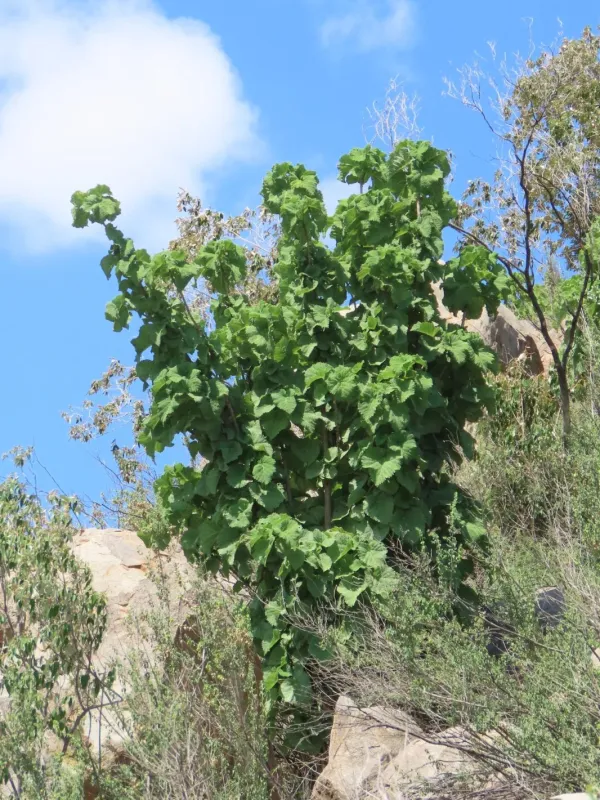
Description
Sowing dates
Propagation of Obetia carruthersiana is primarily achieved through stem cuttings in agricultural settings, as it allows for the maintenance of desirable fiber characteristics. Seeds can be used, but they require stratification to break dormancy and ensure high germination rates.
Sowing should take place in controlled environments with temperatures maintained between 20°C and 22°C. A well-draining, moist medium is essential during the initial weeks to support the development of delicate seedlings.
When using cuttings, select semi-hardwood stems during the active growth phase. Applying rooting hormones and maintaining high humidity levels will significantly increase the success rate of propagation.
Transplanting into open fields must only occur once the risk of frost has passed. Sufficient spacing between plants is crucial to facilitate proper root expansion and adequate airflow, preventing microclimate issues.
Early-stage growth requires consistent moisture. As the plants establish their root systems, they become more resilient, but initial care remains the most critical phase for ensuring uniform plantation development.
Growing requirements
As a tropical plant, Obetia carruthersiana thrives in environments with high temperatures. The ideal growth range is between 25°C and 30°C, and prolonged exposure to cold temperatures must be avoided at all costs.
Soil requirements include excellent drainage and moderate fertility. The plant is highly sensitive to waterlogged conditions, which can quickly lead to root decay and severe decline in plant health.
Full sun exposure is necessary for the plant to achieve its maximum biomass potential. Reduced light levels often result in weak, elongated stems, which negatively impact the quality and strength of the fiber produced.
While the plant shows some tolerance to temporary moisture deficits once mature, consistent water availability during the peak growing season is mandatory for rapid stem development.
Fertilization programs should emphasize nitrogen during the early growth stages to promote leaf and stem development, followed by potassium to strengthen the internal fiber structure before harvesting.
Yield
The primary economic value of Obetia carruthersiana lies in its bast fiber. Achieving high yields depends on maintaining optimal density and providing the nutrients required for vigorous stem elongation.
Harvesting for fiber is typically performed when the plants reach technical maturity, before the lignification of the stems becomes too advanced, as this can make fiber extraction difficult and reduce quality.
Secondary biomass, including leaves and woody stem cores, can be processed for organic mulch or soil amendments, creating a circular approach to plantation management and reducing waste.
Yields typically peak after the second year, once the plant has fully established its perennial root system. Proper post-harvest handling, including fiber separation and cleaning, is essential for maximizing yield value.
Economic returns are highly dependent on the skill of the processor. Ensuring that the fiber remains clean and free from contamination during the extraction phase is critical for marketability.
Main diseases and pests
Leaf-eating insects represent a primary threat, as they can rapidly consume foliage, thereby reducing the plant's ability to photosynthesize and significantly slowing down stem growth.
Fungal diseases, particularly those affecting the roots, are common in poorly drained soils or in environments with excessive humidity. Good aeration and judicious watering are the best preventative measures.
Powdery mildew may appear if the plantation is too dense or if humidity levels remain high for extended periods without adequate air movement. Regular scouting is necessary for early intervention.
Pest control should prioritize integrated pest management (IPM) techniques to avoid the accumulation of chemical residues that might compromise the quality of the raw fibers.
- Regular monitoring for signs of infestation.
- Removal of infected plant material to prevent spread.
- Improving site drainage to minimize soil-borne disease risks.
Harvesting
The harvest period is determined by the development stage of the stem. It is crucial to collect the stalks before they become too woody to ensure the highest grade of flexible, strong fiber.
Post-harvest processing should begin immediately. If left to dry in the field without processing, the internal moisture can cause structural degradation of the fibers, resulting in lower quality.
Drying the extracted fibers should occur in well-ventilated, shaded areas. Direct sunlight can make the fibers brittle, significantly reducing their tensile strength and market value.
Grading the fiber by length and diameter following harvest allows for better price segmentation, ensuring that the highest quality material meets industrial requirements.
Cleaning the field of crop residues after harvest is essential for maintaining a healthy environment for the next season, as these remnants can harbor pathogens.