
Obetia tenax
Obetia tenax
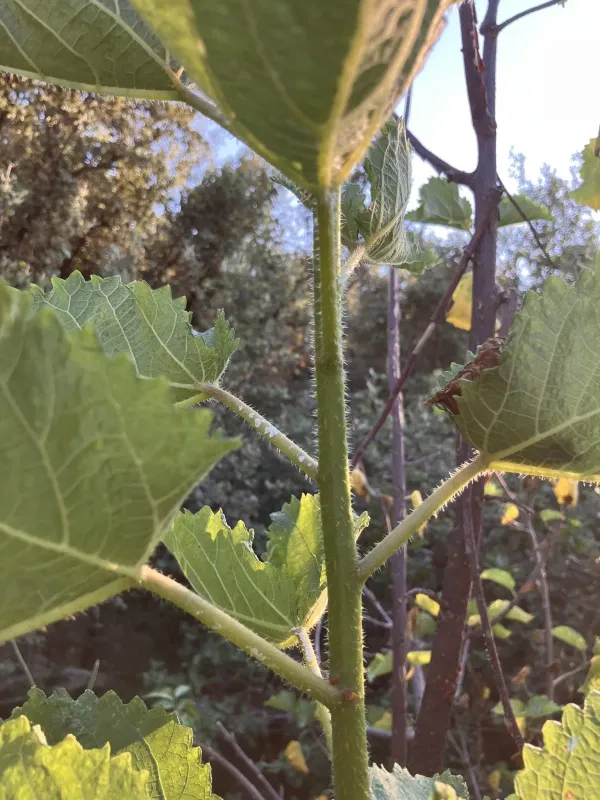
Description
Sowing dates
Obetia tenax is a perennial woody plant, and its propagation differs significantly from traditional annual row crops used in commercial agriculture.
Propagation is typically carried out via vegetative methods like cuttings or by cultivating seedlings in nurseries before transplanting them into the field.
The optimal time for transplanting is the beginning of the rainy season, as the high soil moisture ensures better establishment of the root system.
Seeds require specific preparation techniques, including stratification, to achieve a high germination rate and strong seedling vigor.
Adequate plant spacing is essential to allow for the development of a strong, healthy canopy, which is necessary for optimal biomass production.
Growing requirements
Belonging to the Urticaceae (Nettle) family, Obetia tenax is naturally found in the tropical and subtropical regions of eastern and southern Africa.
The species thrives in warm, tropical climates and is highly sensitive to frost, which can cause severe damage or death to young plant shoots.
Optimal soil conditions include well-drained loamy or sandy soils, rich in organic matter, with a neutral to slightly acidic pH range.
The plant is equipped with stinging hairs on its leaves and stems, a natural evolutionary defense mechanism against herbivores and browsers.
Sufficient sunlight is critical for plant health, although young plants may benefit from partial shade during the hottest hours of the day to prevent heat stress.
Yield
The primary economic value of Obetia tenax lies in its high-quality bast fiber, which is extracted from the inner bark of the plant's stems.
Yield efficiency is directly linked to cultural practices, including consistent fertilization and strategic pruning to stimulate new shoot growth.
Due to its perennial nature and regenerative abilities, a well-managed plantation can provide multiple harvests of raw material over many years.
Fiber quality is significantly influenced by the age and thickness of the stems; therefore, timely harvesting is key to maximizing the commercial value.
Modern decortication and processing techniques have improved fiber recovery rates, making the crop more viable for industrial textile applications.
Main diseases and pests
Despite its stinging defense, the plant is susceptible to various pests and diseases that have adapted to host plants within the Urticaceae family.
Excessive soil moisture or poor drainage can lead to root rot, which is a major threat to the long-term viability of the plantation.
Common fungal diseases, such as powdery mildew, can affect the plant's foliage, particularly under conditions of high humidity and limited air circulation.
Sap-sucking insects like aphids and spider mites can colonize the apical buds, causing stunted growth and poor fiber development.
Regular phytosanitary monitoring is essential for identifying early outbreaks and implementing integrated pest management strategies to protect the crop.
Harvesting
Harvesting involves cutting stems that have reached the required maturity, determined by stem diameter and the texture of the bark.
Given the stinging hairs present on all aerial parts, protective clothing is mandatory for all personnel involved in the harvesting and handling processes.
Once harvested, the stems must undergo immediate processing—often involving retting or mechanical stripping—to separate the fiber from the woody core.
Proper pruning after the harvest promotes the growth of new, vigorous stems, ensuring a continuous supply of biomass for future production cycles.
After extraction, the fibers are graded based on length and fineness to meet specific quality standards required for various textile and industrial end-uses.