
Bitterwood
Simarouba amara Aubl.
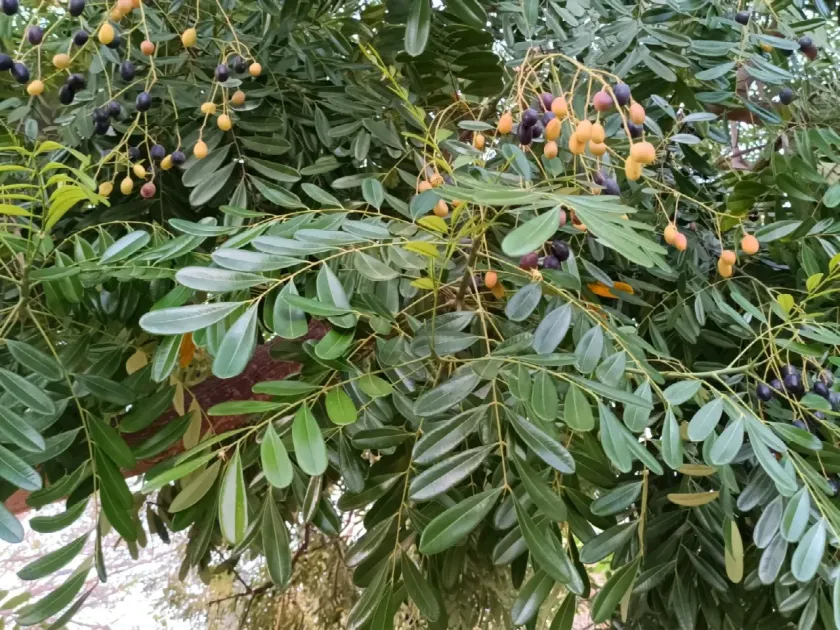
Description
Sowing dates
Simarouba amara is a versatile evergreen tropical tree belonging to the Simaroubaceae family. Propagation is primarily achieved through seeds sown in nurseries to ensure the survival of young seedlings before field planting.
Successful germination requires a stable temperature range between 25 and 30 degrees Celsius. Planting is optimally timed to coincide with the beginning of the rainy season to provide necessary moisture.
Seeds are known for losing viability quickly, necessitating planting shortly after harvesting. A well-drained, nutrient-rich substrate is essential for the healthy development of young plants during the early stages.
Seedlings are maintained in nursery containers until they reach a height of 30 to 50 centimeters. This preparatory phase is crucial for building a strong root system before the trees are transplanted into the open field.
Planting densities are determined by the intended end use: timber production plots often employ tighter spacing, whereas reforestation initiatives utilize patterns mimicking natural forest stands.
Growing requirements
The species thrives in humid tropical climates where annual rainfall consistently exceeds 2000 millimeters. It is highly sensitive to prolonged dry spells, which can significantly hinder growth rates.
Deep, well-drained soils are preferred for optimal development. While the tree can tolerate various soil types, including those with lower fertility, waterlogged conditions must be avoided at all costs.
Simarouba amara is a light-demanding species, particularly during its active growth phase. Ensuring access to sunlight is vital for producing straight, high-quality timber stalks.
Agricultural management includes regular weeding around young trees for the first three years. This prevents competition for water and nutrients, which is essential for ensuring rapid establishment.
The tree exhibits high adaptability to secondary forest conditions and degraded lands, making it a valuable candidate for soil erosion control and forest rehabilitation projects.
Yield
Timber production is the primary economic driver, with trees reaching harvestable stem sizes in 15 to 20 years. The species is noted for its rapid biomass accumulation in favorable tropical conditions.
Beyond timber, the seeds are highly valuable for oil extraction. With an oil content of up to 60–70 percent, the seeds represent a significant potential source for both biodiesel and food-grade oil production.
Fruit harvesting is labor-intensive, as maturation is asynchronous across the canopy. Efficiency depends heavily on organized manual harvesting schedules throughout the ripening season.
Yield improvement is linked to the selection of high-oil content varieties and better silvicultural practices. Targeted tree breeding programs are currently enhancing the commercial viability of the species.
Extracts derived from the bark and wood contain bitter quassinoids, providing a secondary revenue stream for pharmaceutical and industrial applications where these compounds are in demand.
Main diseases and pests
Simarouba amara is naturally resistant to many pests due to the bitter quassinoids present in its tissues. This chemical defense mechanism provides a natural barrier against common leaf-eating insects.
Young plantations, however, may face pressure from leaf-cutter ants or small rodents. Vigilant monitoring and preventative pest control measures are recommended during the early establishment phase.
Root rot caused by fungal pathogens can occur if drainage is insufficient. Managing soil hydrology is the most effective preventative strategy against such diseases in humid environments.
Wood-boring insects may attack stressed or damaged trees. Promoting overall plant vigor through proper spacing and regular maintenance is the best defense against long-term timber damage.
To minimize disease outbreaks, it is advisable to avoid large-scale monoculture plantations. Mixing Simarouba with other native species can disrupt the life cycles of specific pathogens.
Harvesting
Harvesting begins once the fruits turn a dark purple or black color, signaling full maturity of the seeds and peak oil concentration. The process is often conducted over several weeks.
Immediate depulping after collection is essential to prevent seed fermentation and degradation. Simple mechanical tools are frequently used to separate the seeds from the fruit flesh efficiently.
Drying the seeds under controlled conditions is vital to preserve oil quality and prevent mold growth. Moisture levels must be reduced to levels suitable for long-term storage or shipment.
Timber harvesting is conducted based on maturity and target diameter. Logs are usually processed either on-site or at dedicated sawmills to ensure optimal recovery of wood products.
Proper storage facilities, characterized by low humidity and high ventilation, are required to maintain seed viability and oil quality until the final processing stage is initiated.