
Bitter-ash
Quassia amara L.
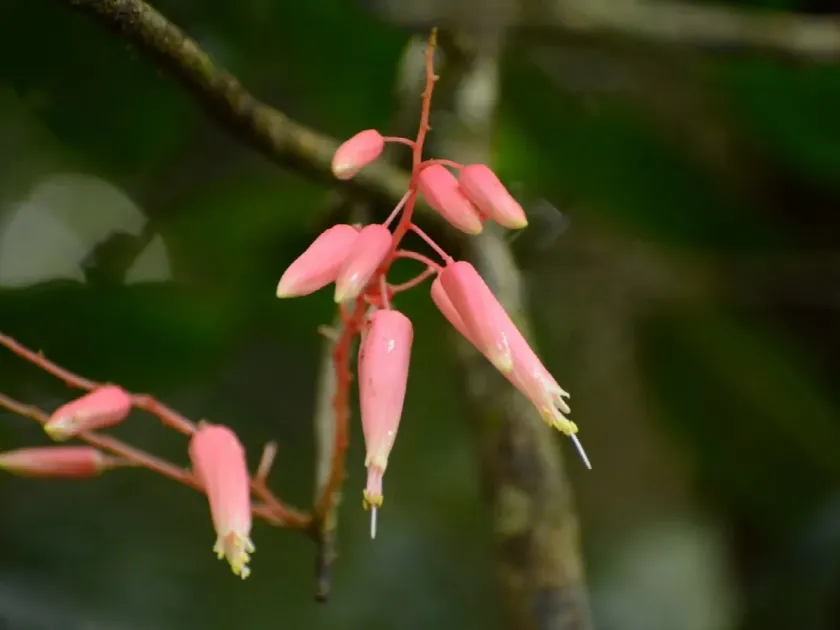
Description
Sowing dates
Bitter-ash is propagated mainly through seeds or cuttings in specialized nursery conditions to ensure optimal growth.
Seeds are sown in a prepared nutrient-rich substrate with high humus content and excellent drainage systems.
The optimal sowing time in tropical regions coincides with the beginning of the rainy season to guarantee high germination rates due to constant moisture.
For cuttings, woody shoots are selected and treated with rooting hormones before being transplanted into protected environments.
Young seedlings require gradual acclimatization to direct sunlight, so they are kept in semi-shaded areas during their initial development stages.
Growing requirements
The crop belongs to the Simaroubaceae family and originates from the humid tropical rainforests of South America, specifically the Amazon basin.
The plant is highly sensitive to frost and requires a consistently warm climate with temperatures remaining well above +20°C throughout the year.
Soils must be deep, fertile, and well-drained, as waterlogging is extremely detrimental to the plant's root system.
Bitter-ash thrives in areas with high relative humidity, effectively mimicking the sheltered conditions of the forest understory.
Regular applications of organic fertilizers are essential to promote the synthesis of quassinoids, the bitter compounds that define the plant's economic value.
Main diseases and pests
Due to its natural insecticidal properties, Quassia amara is highly resistant to most common agricultural pests and herbivores.
However, under poor drainage conditions, plantations can be susceptible to root rot caused by soil-borne fungal pathogens such as Phytophthora.
While leaf-chewing insects rarely attack the tree due to its chemical profile, mealybugs can occasionally pose a localized threat.
To prevent disease outbreaks, it is crucial to maintain appropriate spacing between trees and ensure adequate air circulation within the plantation.
Monitoring the condition of the bark and maintaining balanced soil nutrient levels are the primary methods for preventing physiological disorders.
Harvesting
The primary harvested components are the wood from the trunk and branches, along with the bark, which contains the highest density of active compounds.
Commercial harvesting is typically viable only after the plant reaches 5 to 7 years of age to ensure high chemical concentrations.
Selective harvesting practices are employed to ensure long-term sustainability and to prevent the degradation of cultivated stands.
The harvested material is shredded into chips and dried under controlled conditions to stabilize the chemical composition for industrial use.
The resulting raw material is widely utilized in the pharmaceutical industry and as a base for ecological pest control products.