
Jamaica quassia
Picraena excelsa
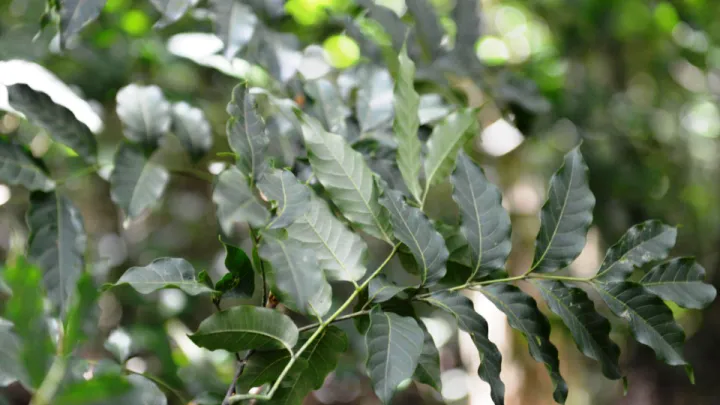
Description
Growing requirements
Jamaica quassia (Picraena excelsa) is a tropical tree belonging to the Simaroubaceae family. It is widely recognized for its bitter wood, which has a long history of use in both traditional medicine and as a natural botanical pesticide.
The plant thrives in tropical environments, requiring consistent temperatures and high annual rainfall. As an agricultural crop, it is strictly limited to warm regions where the risk of frost is non-existent, as the species is highly sensitive to cold weather conditions.
Optimal soil conditions include well-draining, fertile loams that prevent root rot. Proper site selection is vital, as the tree requires deep soil to support its structural integrity and nutrient uptake, especially during the rapid growth phase in its early years.
Agricultural management requires spacing the trees appropriately to ensure sufficient airflow and light penetration. This is crucial for maintaining the health of the canopy and encouraging the chemical synthesis of active compounds like quassin within the tree's wood tissues.
The main commercial value lies in the timber and bark, which are harvested to extract bitter principles used in the pharmaceutical industry. These extracts act as digestive stimulants and are also utilized in organic farming as effective natural insecticides against soft-bodied pests.
Main diseases and pests
Wood-boring beetles present the most significant threat to Picraena excelsa plantations. These pests target the trunk and branches, severely impacting the quality of the harvested wood and potentially causing the death of the tree if infestations are not controlled.
Fungal pathogens associated with high moisture environments can affect the leaves and shoots, causing necrosis. Maintaining adequate spacing and canopy management helps to mitigate these risks by ensuring that the foliage dries quickly after rain events.