
Leitneria floridana
Leitneria floridana
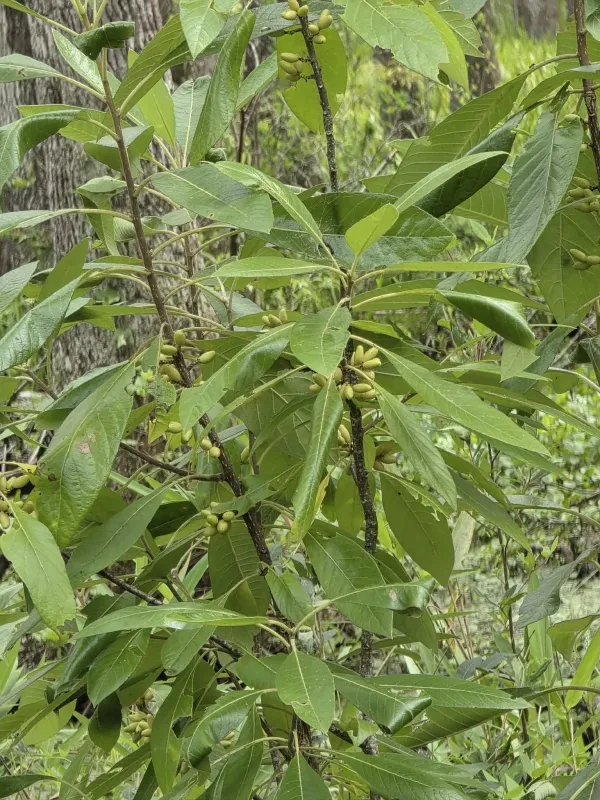
Description
Growing requirements
Leitneria floridana, commonly known as corkwood, is a rare deciduous plant species constituting the monotypic family Leitneriaceae. It is native to the southeastern United States, primarily inhabiting swampy areas, coastal marshes, and river floodplains.
This crop is highly specialized and thrives in hydric soils with a high water table. Its ability to tolerate prolonged waterlogging makes it a unique candidate for cultivating on saturated land where most other trees would fail to survive.
The plant prefers full sun to light shade conditions. It requires acidic to neutral soil types that are rich in organic matter and stay consistently moist throughout the growing season to ensure optimal vegetative development.
In terms of climate, corkwood is adapted to warm, humid regions. It possesses moderate cold hardiness but struggles in areas with severe, prolonged winter freezes, which can damage its tissues and hinder annual growth cycles.
Successful agrotechnology for Leitneria involves maintaining the hydrological balance of the planting site. Growers must prevent soil desiccation at all costs, as the plant's root system is adapted specifically for aquatic environments.
Main diseases and pests
Leitneria floridana exhibits significant resilience to common forest diseases, provided it remains within its preferred ecological niche. However, the most significant threat to the crop is the alteration of its native hydrological environment.
Artificial drainage of wetland areas constitutes the primary risk, as the plant quickly loses vitality if the soil moisture level drops significantly. Desiccation makes the trees highly susceptible to opportunistic pathogens and physiological decline.
Stem-boring insects can pose a challenge to older or stressed specimens. Regular phytosanitary inspections are necessary to identify and treat early signs of infestation before the wood quality is compromised.
Competition from aggressive wetland vegetation can suppress young seedlings during the establishment phase. Effective management of the site includes weeding and providing enough space to prevent overcrowding and stagnation.
While the plant is hardy, poor air circulation in overly dense stands can promote mild fungal growth on the bark. Maintaining proper spacing between trees is an essential agrotechnical practice to ensure airflow and overall plant vigor.
Harvesting
The economic value of Leitneria floridana lies in its wood, which is recognized as one of the lightest woods in the world. It is significantly lighter and more porous than even the cork oak, earning it the name corkwood.
Historically, the wood was harvested for specialized uses, including the production of fishing floats, life preservers, and lightweight insulation. Its buoyancy and ease of shaping made it a valuable raw material in niche industries.
Harvesting strategies depend on the long-term growth rate of the species. Since corkwood grows relatively slowly, sustainable forestry practices are required to manage stands for intermittent wood extraction.
Beyond its industrial use, Leitneria is increasingly valued for its role in shoreline stabilization and wetland restoration. Its roots help bind soil in flood-prone areas, preventing erosion and promoting habitat diversity.
Care must be taken during the harvesting process to preserve the rootstock, allowing the plant to regenerate. This ensures a multi-cycle production model that maintains the ecological health of the wetland site.