
Alvaradoa amorphoides
Alvaradoa amorphoides
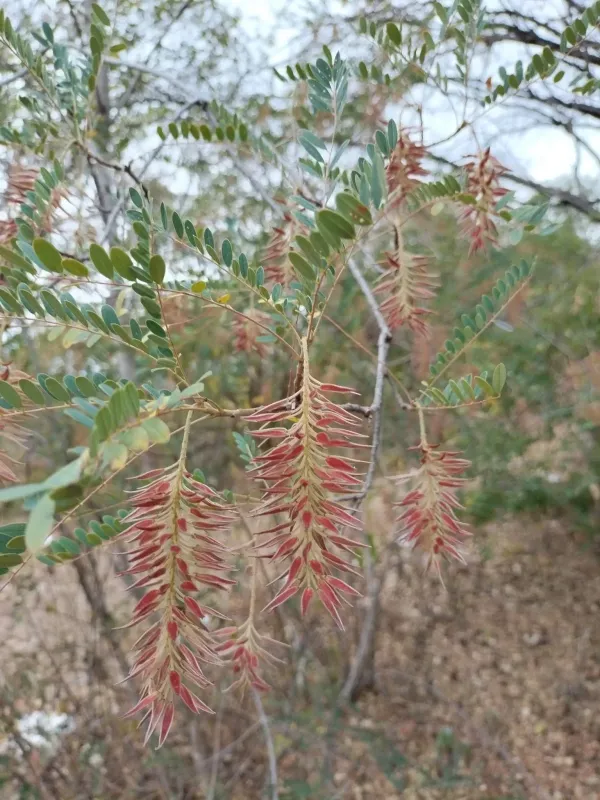
Description
Growing requirements
Alvaradoa amorphoides is a distinct tree species belonging to the Picramniaceae family, native to tropical regions of the Americas including Mexico, the Caribbean, and Central America. It is typically found in dry deciduous forests and rocky limestone landscapes.
This species is well-adapted to harsh environmental conditions, showing notable drought tolerance. It grows as a small to medium-sized tree with pinnately compound leaves, which provide a delicate, feathery appearance to its canopy.
For successful cultivation, the plant requires well-drained soil and full sun exposure. It is highly sensitive to waterlogging, so soil aeration and natural slope drainage are critical factors for root system health and longevity.
Botanically, it features small, inconspicuous flowers and produces wind-dispersed fruits known as samaras. The wood is dense, and the tree is often recognized for its resilience in degraded or nutrient-poor soils where other species might struggle.
Economically, the species is valued for its hard wood used in local construction and its secondary metabolites, which have been historically utilized in traditional medicine. It is also an excellent candidate for reforestation projects in arid tropical zones.
Main diseases and pests
Root rot is the most significant threat to Alvaradoa amorphoides when grown in areas with poor drainage or excessive soil moisture. Careful site selection is essential to avoid fungal colonization of the root zone.
Insect pests, such as aphids and scale insects, can negatively impact foliage health, particularly in nursery environments. Implementing regular monitoring protocols helps in managing these populations through integrated pest management techniques.
Mechanical injuries to the bark can lead to localized infections. Pruning should be carried out using sterilized tools to prevent the entry of pathogens into the vascular system of the tree.
Weed management is crucial during the establishment phase, as young trees are vulnerable to competition for resources. Maintaining a clear mulch zone around the trunk fosters better nutrient uptake and tree stability.
Nutrient deficiency, specifically related to micronutrients, can occur in alkaline soils. Regular soil testing and appropriate fertilization can mitigate stress and promote overall tree vigor and resistance to common leaf diseases.