
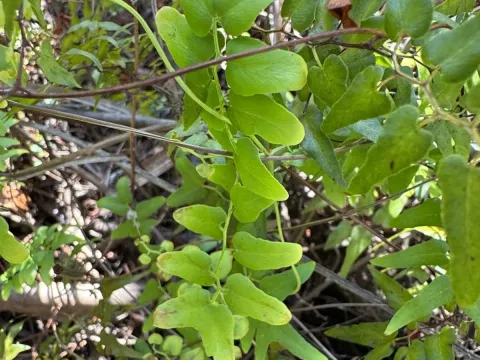
Climbing fern
Lygodium
Propagation of Lygodium is typically achieved through division of the rhizomes, which should be performed in early spring before active growth begins.
What the section contains
 Climbing Fern
Lygodium venustum
Climbing Fern
Lygodium venustum
 Climbing fern
Lygodium palmatum
Climbing fern
Lygodium palmatum
 Climbing maidenhair
Lygodium scandens
Climbing maidenhair
Lygodium scandens
 Japanese climbing fern
Lygodium japonicum
Japanese climbing fern
Lygodium japonicum
 Lygodium articulatum
Lygodium articulatum
Lygodium articulatum
 Lygodium circinnatum
Lygodium circinnatum
Lygodium circinnatum
 Lygodium flexuosum
Lygodium polymorphum
Lygodium polymorphum
Lygodium flexuosum
Lygodium flexuosum
Lygodium polymorphum
Lygodium polymorphum
 Lygodium polystachyum
Lygodium polystachyum
Lygodium polystachyum
 Old World climbing fern
Lygodium microphyllum
Old World climbing fern
Lygodium microphyllum
Climbing fern
Spore sowing is a more technical approach that requires sterile substrates and consistent, high humidity levels maintained under protective covers.
The optimal time for starting the propagation process is between March and April, allowing the plant to establish itself during the natural growing season.
Transplanting young plants into permanent containers or landscape sites must only occur after the risk of late frosts has completely passed.
A well-aerated, peat-based potting mix is recommended to facilitate rapid root development and prevent early-stage transplant shock.
Lygodium, commonly known as climbing fern, belongs to the Lygodiaceae family and is native to various tropical and subtropical regions worldwide.
The plant is distinguished by its vine-like habit, featuring rachises that can grow to extraordinary lengths by twining around available support structures.
It thrives best in high-humidity environments, requiring consistent moisture and protection from harsh, direct sunlight that can scorch the delicate foliage.
Soil requirements involve a nutrient-rich, acidic substrate with excellent drainage characteristics to ensure the root system does not become waterlogged.
Temperature management is crucial; the plant prefers a stable thermal environment, typically ranging between 18 and 25 degrees Celsius for healthy vigor.
Common pests affecting Lygodium include spider mites and scale insects, which frequently target the plant in low-humidity indoor environments.
Root rot remains the most serious threat, usually triggered by improper watering practices and soil conditions that do not allow for adequate airflow.
Regular inspections of the undersides of the leaves are essential for early detection of potential infestations, allowing for immediate remedial action.
Effective management includes keeping the foliage clean and ensuring that the plant is grown in a well-ventilated area to prevent fungal growth.
When chemical treatments are necessary, they must be applied selectively to avoid phytotoxicity to the fern's sensitive leaf tissues.
The primary use of Lygodium is within the ornamental horticulture sector, where it is valued for its unique vertical growth habit in indoor settings.
Certain species have been historically utilized in crafts, with their flexible and durable stems used for weaving baskets and other decorative items.
Maintenance and harvesting of foliage for arrangements involves precise pruning, which encourages the plant to produce new, fresh growth.
Proper plant care includes providing robust trellises or supports to manage the aggressive climbing nature of the fern effectively.
Although not a traditional agricultural crop, Lygodium represents a significant specialty product for nurseries focusing on exotic or tropical foliage plants.