
Lygodium circinnatum
Lygodium circinnatum
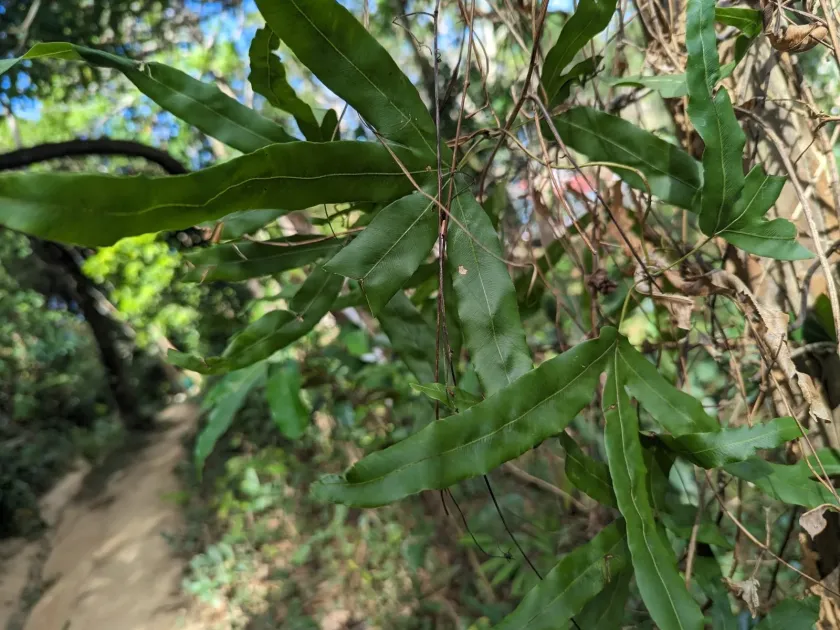
Description
Growing requirements
Lygodium circinnatum is a perennial climbing fern belonging to the Lygodiaceae family. It is distinct for its indeterminate growth habit, where the rachis functions as a vine, extending indefinitely while climbing over host vegetation.
The plant is native to the tropical forests of Southeast Asia and Oceania. For successful cultivation, it requires a well-draining, nutrient-rich substrate, typically composed of peat moss, perlite, and decomposed leaf litter to mimic its forest floor habitat.
High humidity and consistent temperatures, ideally between 22°C and 28°C, are essential for healthy development. The fern is highly sensitive to desiccation and direct solar radiation, which can scorch its delicate fronds.
Agrotechnical management focuses on providing structural support. As the fern climbs, it must be trained along trellises or wires to ensure proper spacing, which is crucial for preventing humidity-induced diseases within the dense foliage.
The species holds economic value primarily in the floral industry and traditional handicrafts. The durable, pliable rachises are harvested and used for weaving intricate baskets, mats, and other decorative items in its native range.
Main diseases and pests
Spider mites are the most common pest, particularly in controlled environments with low humidity. They thrive on the undersides of the leaflets, causing chlorosis and weakening the plant's structural integrity if left unchecked.
Fungal infections, such as Rhizoctonia root rot, are significant threats caused by waterlogged soil conditions. These pathogens are lethal to the fern's fibrous root system and require immediate intervention with appropriate fungicides.
Managing the microclimate is the primary strategy for pest and disease control. Maintaining active air circulation and monitoring the moisture levels of the growing medium are more effective than relying solely on chemical inputs.
Mealybugs can also infest the fern, settling in the nodes of the climbing rachis. Manual removal or the use of systemic insecticides, applied in accordance with agricultural best practices, is recommended for heavy infestations.
Sanitation practices, including the removal of dead fronds and debris, prevent the establishment of fungal spores and provide a cleaner growing environment, which is vital for the long-term vigor of the crop.