
Lygodium polymorphum
Lygodium polymorphum
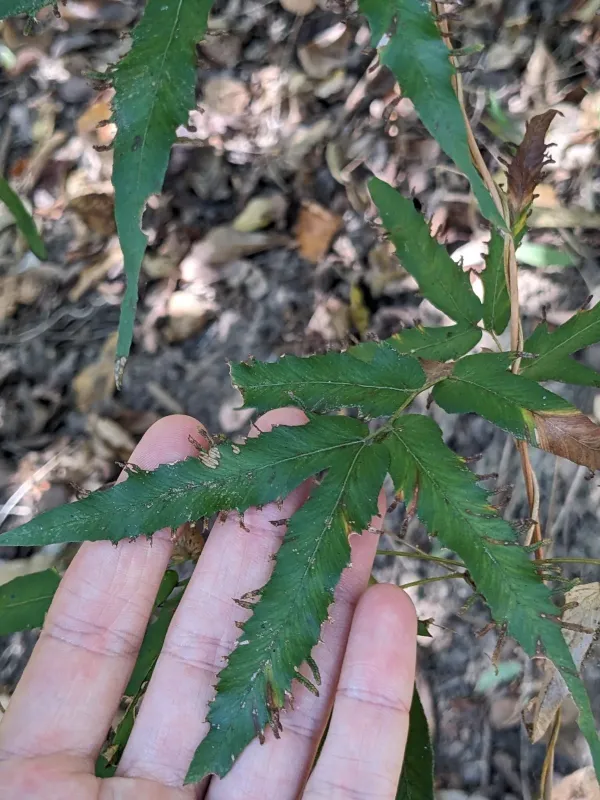
Description
Growing requirements
Lygodium polymorphum is a unique climbing fern belonging to the Lygodiaceae family. Native to tropical and subtropical regions of the Americas, this species is noted for its distinctive climbing fronds that use support structures to reach considerable heights.
The plant features a creeping rhizome system that allows it to spread effectively across suitable habitats. Its growth habit involves specialized climbing axes, which makes it a fascinating subject for both botanical study and specialized indoor gardening.
Temperature and humidity are the most critical factors for the successful cultivation of this fern. It requires a stable, warm environment and high atmospheric humidity, as it is highly sensitive to dry air and sudden fluctuations in thermal conditions.
The ideal growing medium consists of loose, organic-rich soil with excellent drainage capabilities. Maintaining a slightly acidic pH balance is recommended to optimize nutrient uptake and ensure the long-term health of the root system.
In terms of agricultural and horticultural use, the plant is primarily cultivated for its aesthetic appeal in botanical gardens and conservatories. In some local traditions, extracts from the fern have been explored for potential medicinal properties.
Main diseases and pests
Fungal diseases are a primary threat to Lygodium polymorphum, especially when grown in poorly ventilated spaces with excessive soil moisture. Root rot and foliage spotting are common symptoms of poor management practices.
Pests such as spider mites and scale insects represent the most significant animal threats to this crop. These pests thrive in dry environments and can cause significant damage to the fronds if they remain undetected for extended periods.
Effective management includes regular monitoring of the foliage and the application of appropriate biological control methods. Maintaining proper environmental conditions serves as the first line of defense against both insects and pathogens.
When chemical treatments are necessary, it is essential to select products that are safe for fern species, as many ferns are sensitive to heavy chemical concentrations. Spot testing on a small area is advisable before full application.
Sanitation practices, such as the removal of dead or decaying organic matter and the sterilization of pruning tools, are essential components of a robust plant protection program for this sensitive fern species.