
Climbing maidenhair
Lygodium scandens
Description
Growing requirements
Climbing maidenhair, scientifically known as Lygodium scandens, belongs to the Lygodiaceae family. It is a unique species of climbing fern native to the tropical regions of Africa and Asia, where it thrives in humid, shaded forest environments.
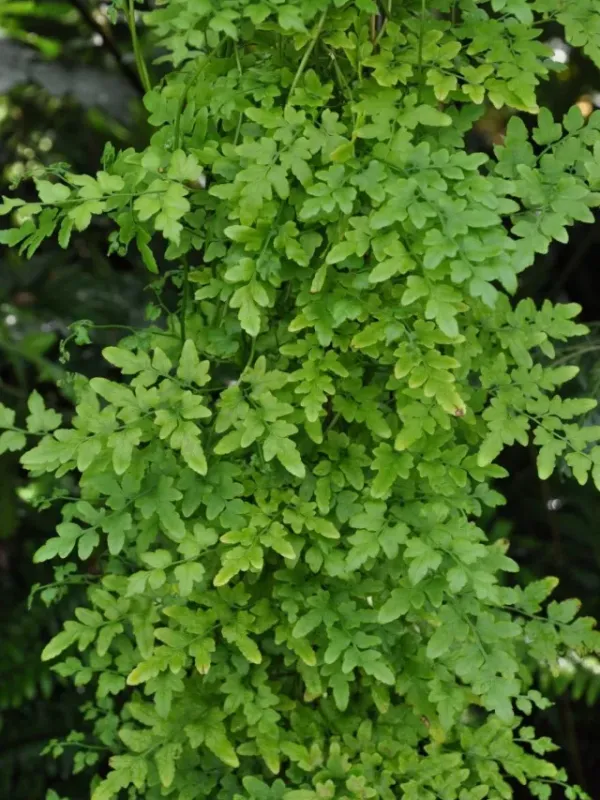
The botanical structure of this plant is distinct due to its indeterminate frond growth, which allows the stems to climb and twine around supports for several meters. Its fine, lacy texture provides significant aesthetic value, making it highly prized for indoor collections and botanical displays.
Cultivation requirements necessitate a strictly controlled environment. The plant demands a high ambient humidity level, ideally between 70% and 80%, and warm temperatures year-round, as it cannot survive exposure to freezing conditions or frost.
Soil quality is paramount for successful growth; the medium must be light, airy, and well-draining. A mix consisting of peat moss, pine bark, and perlite provides the necessary structure to prevent root suffocation while maintaining consistent moisture levels.
In terms of economic application, Lygodium scandens is primarily used in the ornamental horticulture industry. It is frequently employed in professional floral design, vertical interior landscaping, and as a specialized greenhouse crop for botanical exhibitions.
Main diseases and pests
The most common pests affecting this fern are spider mites and scale insects, which often thrive in dry indoor conditions. Regular misting and the application of horticultural soaps are essential practices for managing and preventing these pest populations.
Fungal infections, particularly root rot, represent a major threat when drainage is inadequate or when the soil remains waterlogged for extended periods. Maintaining proper air circulation and implementing a strict watering schedule are the best measures to ensure the longevity of the plant.