
Lygodium articulatum
Lygodium articulatum
Description
Growing requirements
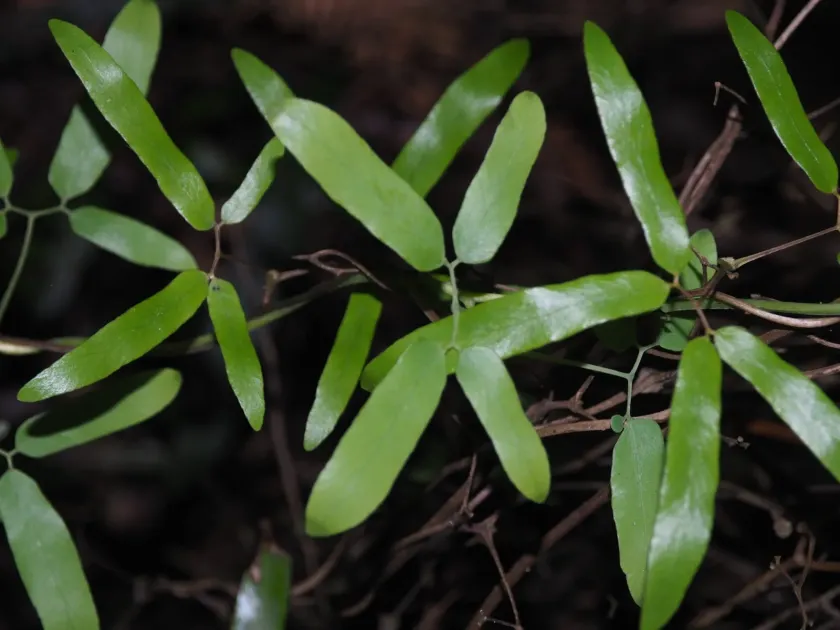
Lygodium articulatum, commonly known as a climbing fern, belongs to the family Lygodiaceae. It is a distinctive plant species characterized by its twining rachis, which allows it to function as a climbing vine, a rare trait among ferns.
The species is native to New Zealand, where it naturally inhabits moist forests and scrublands. It has evolved to thrive in environments with high humidity and protected light conditions beneath the forest canopy.
Successful cultivation requires a well-draining, nutrient-rich soil substrate with a slightly acidic pH. The plant demands constant moisture, requiring a consistent watering schedule to maintain the integrity of its long fronds.
In a controlled agricultural or greenhouse environment, providing adequate vertical supports is essential. These allow the fronds to exhibit their natural climbing behavior, which is crucial for the development of healthy, dense foliage.
The plant exhibits a slow growth rate initially, but once established, it requires sufficient space and airflow. Temperature stability is key, with the plant performing best in mild, frost-free climates characteristic of its natural habitat.
Main diseases and pests
The primary threats to Lygodium articulatum are root rot and fungal infections caused by overwatering or poor drainage. Maintaining a balance between soil moisture and aeration is critical for long-term survival.
Spider mites represent the most significant pest threat in greenhouse settings, particularly during winter months when indoor humidity levels often drop significantly. Regular misting can mitigate this risk.
Scale insects and mealybugs may also infest the fronds, particularly in the leaf axils. Early detection is vital, as the complex structure of the climbing fronds can make manual removal difficult.
Poor air circulation often leads to the development of powdery mildew or other leaf-spotting diseases. Ensuring good ventilation prevents the accumulation of moisture on leaf surfaces.
Using chemical pesticides on this fern should be done with caution, as its foliage is delicate and prone to phytotoxic reactions. Prefer biological control methods where possible to keep the plants healthy.