
Lygodium flexuosum
Lygodium flexuosum
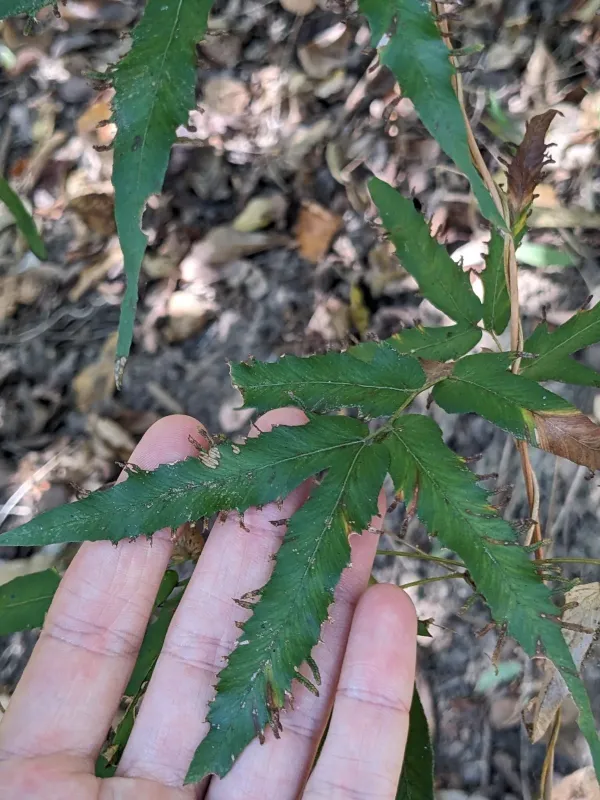
Description
Growing requirements
Lygodium flexuosum, commonly known as a climbing fern, belongs to the Lygodiaceae family. This species is unique among ferns because its rachis is capable of continuous growth, allowing the plant to climb and twine around structures like a vine.
Native to the tropical and subtropical regions of Asia and Australia, this plant thrives in environments characterized by high humidity and consistent warmth. It is typically found in forest margins, riverbanks, and areas where natural shade is abundant throughout the day.
Successful cultivation requires a stable temperature range between 20 to 28 degrees Celsius. The plant is highly sensitive to cold drafts and low humidity levels, making greenhouse conditions ideal for maintaining the necessary microclimate for healthy foliage development.
The soil should be light, porous, and rich in organic matter. A mixture of peat, perlite, and decomposed pine bark is recommended to ensure excellent drainage. Water should be applied consistently to keep the substrate slightly moist but never waterlogged to prevent rot.
In terms of human use, Lygodium flexuosum serves as an ornamental plant in botanical collections and indoor landscaping. Historically, in certain regions of Southeast Asia, parts of the plant have been utilized in traditional medicine and for weaving decorative crafts.
Main diseases and pests
Pests such as spider mites and scale insects are the most common threats to the health of the plant. They thrive in dry indoor environments and can quickly weaken the fern if not addressed early with gentle systemic insecticides or horticultural oils.
Fungal issues such as leaf spot or root rot are usually indicators of poor ventilation and over-watering. Maintaining optimal airflow around the fronds and allowing the top layer of soil to dry slightly between waterings is essential for preventing these common afflictions.