
Lygodium polystachyum
Lygodium polystachyum
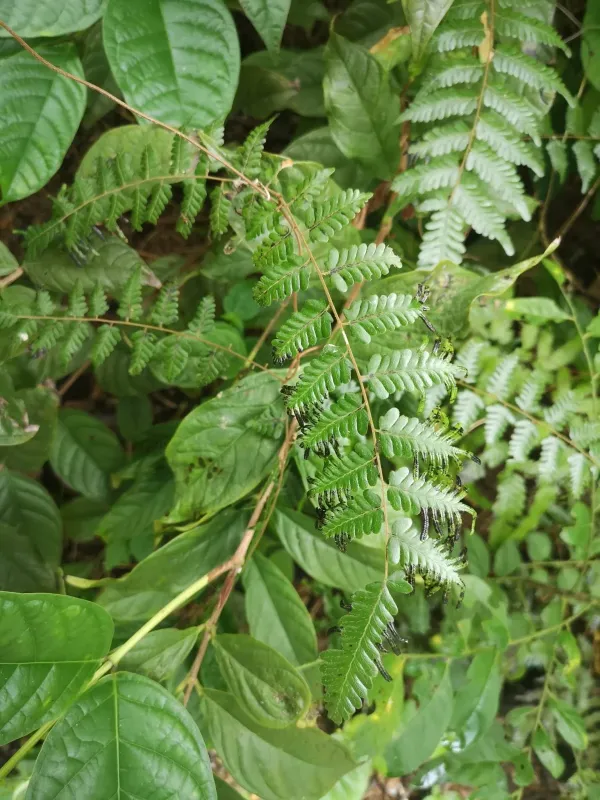
Description
Growing requirements
Lygodium polystachyum is a distinct climbing fern belonging to the Lygodiaceae family. Unlike typical ground-growing ferns, this species produces long, twining rachises that allow it to climb and sprawl over vegetation in its native habitat.
The species originates from the tropical regions of Southeast Asia. It thrives in humid environments, typically found in shaded forest floors or forest edges where the canopy provides dappled sunlight and protection from direct, harsh solar radiation.
A notable botanical feature of this fern is its potentially indeterminate growth habit. The leaf blades are finely divided, and the fertile parts of the fronds are organized into distinctive spike-like structures, which are visually diagnostic for the species.
Cultivation requires strict adherence to moisture levels. The potting medium must be porous and high in organic matter to mimic forest soil, ensuring both high moisture retention and excellent drainage to avoid waterlogging the sensitive root system.
The plant is highly valued in botanical gardens and interior design as a vertical accent. Due to the pliability of its climbing stems, it can be trained onto trellises or supports to create lush, green walls in climate-controlled environments.
Main diseases and pests
Spider mites are the most common pests, especially in indoor settings where low humidity levels stress the plant. These mites tend to colonize the underside of the delicate fronds, causing rapid foliage decline.
Scale insects can also attach themselves to the stems, extracting vital sap and leaving behind honeydew that fosters the growth of sooty mold, affecting the plant's photosynthesis process.
Root rot, often caused by overwatering or poorly aerated soil substrates, is a significant risk. Once the roots begin to decay, the plant is susceptible to secondary infections from various soil-borne fungi.
Poor air circulation combined with high moisture levels can trigger outbreaks of powdery mildew on the foliage, necessitating better ventilation and immediate isolation of the affected stems.
Regular maintenance, including misting, cleaning leaves, and providing a stable temperature range, is essential to minimize the risk of these common physiological and pathological issues.