
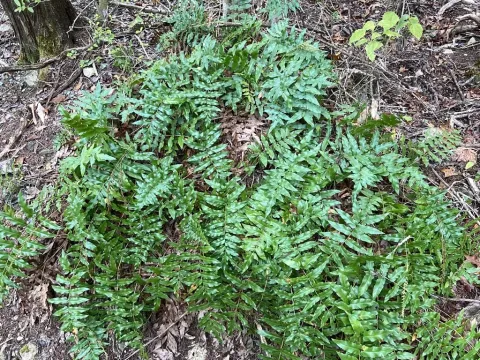
Anemia
Anemia
The propagation of Anemia genus ferns is most commonly achieved through spores, which are sown in specialized growing media. The optimal time for sowing is the spring season, when the day length begins to increase significantly.
What the section contains


Anemia
Spores require surface sowing without burial into the substrate. To ensure successful germination, the containers are covered with glass or transparent film to create a mini-greenhouse effect with constant humidity levels.
The temperature regime for germination should be maintained between 22 and 24 degrees Celsius. It is crucial to avoid direct sunlight on the sowings, as this can lead to overheating and the death of delicate seedlings.
Transplanting of young plants is carried out after the formation of the first pair of true leaves. During this period, it is important to provide moderate watering to avoid water stagnation at the roots.
In commercial decorative cultivation, division of the rhizomes of mature plants is often practiced. This method is considered more reliable for preserving varietal characteristics and accelerates the development of a full-fledged plant.
Anemia belongs to the family Anemiaceae and naturally occurs primarily in tropical and subtropical regions of the Americas. The crop prefers partial shade and high air humidity for optimal growth.
The potting soil must be loose, slightly acidic, and well-aerated. An ideal composition consists of a mixture of peat, leaf mold, and finely shredded conifer bark.
The temperature optimum for vegetation is between 18 and 25 degrees Celsius. The plant is extremely sensitive to sudden temperature fluctuations and drafts, which can cause the fronds to curl and wither.
Watering should be regular but moderate, using soft, settled water at room temperature. Stagnant water in the saucer is strictly unacceptable, as it triggers root rot and other physiological disorders.
During the active growth phase, the crop requires feeding with mineral fertilizers designed for ornamental foliage plants. It is recommended to reduce the concentration of nutrients by half of the label recommendation.
The main pests affecting Anemia are scale insects and spider mites. They feed on the plant sap, which leads to discoloration and deformation of the young foliage.
When the air humidity regime is violated or the soil is waterlogged, the plant is frequently attacked by fungal diseases, including root and stem rot.
To control insects, the use of systemic insecticides is recommended, while fungal infections should be managed with broad-spectrum fungicides.
Disease prevention consists of regular inspection of the plants and maintaining an optimal microclimate. Providing good ventilation in the growing area is essential for plant health.
In case of severe pest infestation, it is necessary to isolate the affected specimen from other plants and conduct a thorough sanitary treatment of all surfaces in the growing area.