
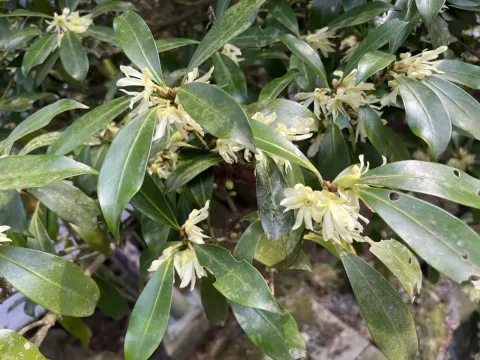
Star Anise
Illicium L.
Star Anise (Illicium verum) is an evergreen tree belonging to the Schisandraceae family, primarily grown for its aromatic star-shaped fruits. In its natural habitat, it thrives as a medium-sized tree that can reach considerable heights when conditions are optimal.
What the section contains


Star Anise
The plant is native to tropical and subtropical regions of Southeast Asia. It requires a warm, humid climate with minimal temperature fluctuations throughout the year. It is highly sensitive to frost, which limits its commercial cultivation to specific climatic zones.
Ideal soil conditions for Star Anise involve deep, fertile, and well-drained loamy soils. The species has a high demand for organic matter, so incorporating compost into the soil during planting is essential for vigorous early growth and long-term sustainability.
Regarding water management, the plant needs consistent moisture levels. However, waterlogging must be strictly avoided as it leads to root decay and various fungal pathogens. A balanced irrigation strategy is key to managing a healthy plantation in humid regions.
The economic value of Star Anise lies in its high content of anethole oil, used in the culinary, cosmetic, and pharmaceutical industries. Furthermore, the tree is a vital source of shikimic acid, a precursor for essential antiviral medications produced globally.
Fungal diseases, particularly root and stem rots, are the primary threats to Star Anise production. These pathogens often thrive in poorly drained soils or during seasons with excessive rainfall, necessitating proactive soil management and drainage improvement.
Insects like aphids and scale insects pose significant risks by attacking tender leaves and stems. Persistent infestations can drain the plant's resources, causing chlorosis and stunted growth, which ultimately leads to reduced yields and lower product quality.
Nematodes are another common challenge, especially in lighter or sandy soil profiles. They cause swelling and damage to the root system, inhibiting nutrient uptake. Using nematode-resistant rootstocks or crop rotation strategies is advisable for large-scale operations.
Integrated Pest Management (IPM) is highly recommended to protect the crop. This involves monitoring pest populations, using biological control agents, and applying targeted organic or chemical treatments only when threshold levels of damage are observed.
Maintaining a clean cultivation environment is essential. Regular removal of dead branches and fallen leaves prevents the accumulation of inoculum for various fungi. Proper spacing between trees also ensures adequate airflow, which naturally reduces humidity levels in the canopy.
Harvesting Star Anise is a labor-intensive manual task. The fruits are typically picked once they have fully developed their characteristic dark-brown color and rigid structure, ensuring the maximum concentration of essential oils and desired aromatic compounds.
After picking, the star-shaped fruits undergo a sun-drying process. This step is crucial for stabilizing the product and achieving the typical woody texture. Proper drying prevents the onset of mold and ensures the longevity of the spice during storage and transport.
Effective post-harvest storage requires airtight, cool, and dry conditions to prevent the degradation of volatile essential oils. Packaging materials should protect the fruits from light and moisture, which are the two main factors that degrade the quality of the spice.
Large-scale operations often utilize specialized equipment for distilling the essential oil directly from the fruits. The remaining biomass can be recycled as organic mulch, providing nutrients back to the soil and suppressing weed growth around the trees.
Yield management involves pruning trees to maintain an optimal shape, which facilitates easier harvesting. Regular nutrient replenishment is required to sustain productivity over the tree's long lifespan, as high-yielding crops can rapidly deplete soil resources.