
Kadsura scandens
Kadsura scandens
Description
Growing requirements
Kadsura scandens is a perennial woody vine belonging to the Schisandraceae family. Originating from the tropical rainforests of Southeast Asia, this species has evolved to thrive in warm, humid environments where it uses canopy trees to reach sunlight.
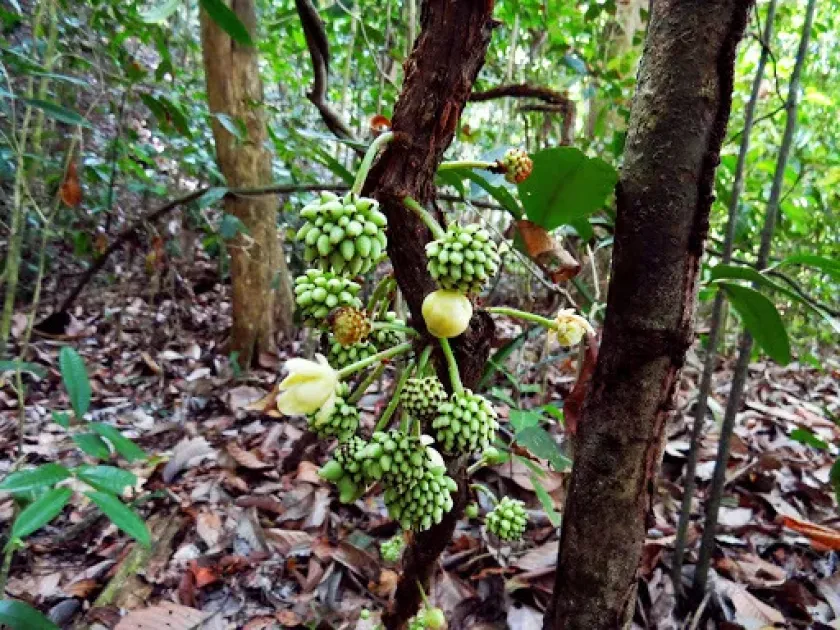
Botanically, the plant is characterized by its twining stems and glossy, leathery leaves that facilitate moisture retention. It produces unique flowers and berry-like fruit clusters which are the primary focus of interest for botanical and agricultural research.
The climate requirements are strictly tropical, necessitating year-round high temperatures and high humidity levels. Agricultural cultivation is successful only in regions that do not experience frost, as the plant's vascular system is sensitive to temperature drops.
In terms of soil, Kadsura scandens requires well-drained, nutrient-rich substrates that mimic forest floor conditions. Maintaining an optimal pH level is crucial to ensure the efficient uptake of microelements necessary for the vigorous development of its climbing stems.
The primary agricultural use of Kadsura relates to its phytochemical profile. The plant is harvested for its bioactive compounds, specifically triterpenoids, which are utilized in pharmaceutical applications and traditional herbal medicine systems.
Main diseases and pests
The most significant threats to Kadsura cultivation are soil-borne pathogens, such as Phytophthora species, which thrive in poorly drained substrates and cause root necrosis.
Common pests include spider mites and scale insects, which can rapidly infest the foliage under dry or low-ventilation conditions, leading to significant yield losses in commercial settings.
Effective management strategies include the implementation of drip irrigation systems to avoid foliage wetting and regular scouting for early signs of pest colonies.
Using certified propagation material is essential to prevent the introduction of viral diseases that can permanently stunt the growth of the vine population.
Cultural practices such as pruning and trellis maintenance are vital to ensure adequate air circulation, which naturally suppresses the development of fungal leaf spot diseases.