
Japanese star anise
Illicium anisatum L.
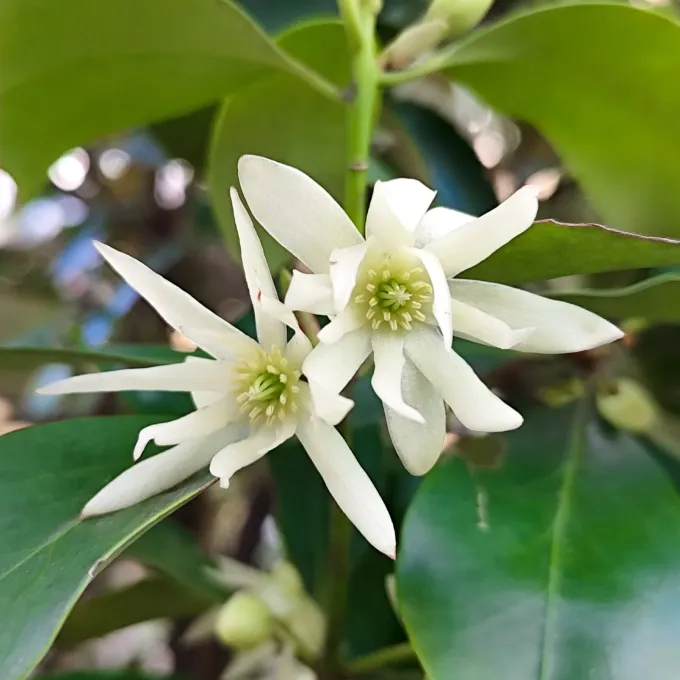
Description
Sowing dates
Propagation of Japanese star anise is primarily achieved through seeds or stem cuttings. Seed viability is generally low, requiring a stratification period of two to three months at low temperatures.
Sowing in a controlled environment such as a greenhouse or nursery should occur in early spring. Using a well-draining substrate composed of peat and sand promotes successful germination.
Cuttings are often preferred for cloning desirable traits. Semi-hardwood cuttings should be taken in late summer and placed in a humid environment to ensure rooting occurs before the onset of winter.
Young seedlings must be carefully handled during transplantation to avoid root disturbance. They are usually grown in containers for the first few years before being transferred to their final site.
Strategic spacing is essential to allow for crown expansion. As an evergreen species, Japanese star anise requires significant space to develop its full canopy without overcrowding other specimens.
Growing requirements
Japanese star anise belongs to the Schisandraceae family. It is a slow-growing evergreen tree that thrives in warm, temperate to subtropical climates and lacks cold hardiness.
The soil must be fertile, moist, and slightly acidic, with excellent drainage characteristics. Waterlogged conditions must be avoided as they lead to root pathogens and poor plant health.
An ideal planting site offers partial shade, especially during the peak sun hours of the day. The plant requires protection from harsh, desiccating winds that can damage its glossy foliage.
Annual fertilization with balanced nutrients during the growing season is recommended. Mulching around the base helps retain moisture and provides the soil with organic matter as it decomposes.
Regular maintenance pruning is not strictly necessary for growth but helps in managing size and shape. Any dead or diseased wood should be removed promptly to maintain the tree's health.
Main diseases and pests
Root rot is the most significant threat to Japanese star anise, typically triggered by poorly drained soils or excessive irrigation. Improving soil porosity is the best preventive measure.
Pests such as aphids and spider mites can infest the foliage, particularly in nursery or greenhouse conditions. Integrated pest management using insecticidal soaps is effective.
A crucial safety fact is that this plant is toxic. Its fruits contain neurotoxic compounds like anisatin and should never be consumed as a substitute for true star anise.
Nutrient deficiencies, specifically iron or magnesium, can manifest as leaf chlorosis. Adjusting soil pH to the slightly acidic range generally resolves these mineral uptake issues.
Frost damage represents a major risk in colder zones. Protecting young plants with thermal covers during extreme temperature drops is necessary to prevent tissue necrosis and loss.