
Kadsura heteroclita
Kadsura heteroclita
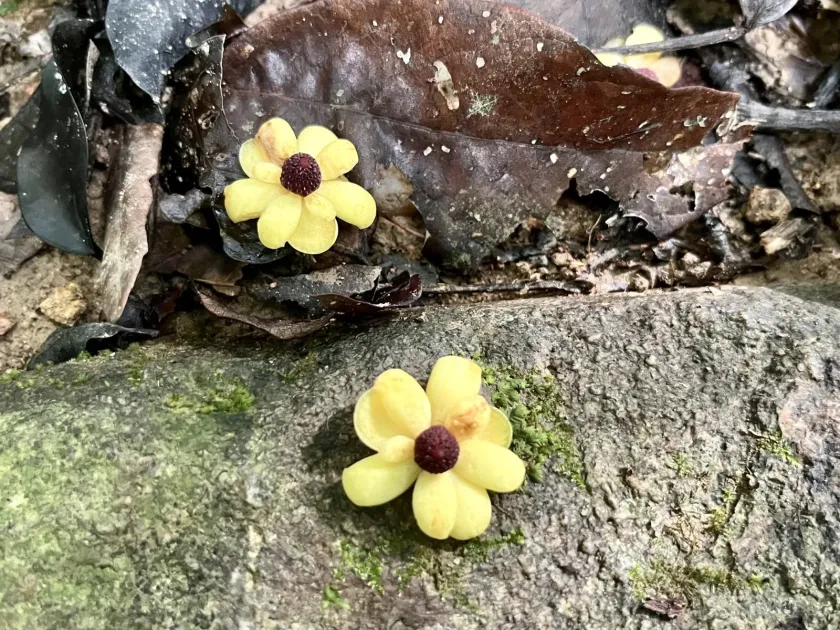
Description
Growing requirements
Kadsura heteroclita is a perennial evergreen woody vine belonging to the Schisandraceae family. Native to the subtropical and tropical regions of Asia, including Southern China and India, this plant thrives in humid forest environments and creates a dense vegetative canopy in its natural habitat.
The plant requires well-drained, nutrient-rich soil that is high in organic matter to support its vigorous growth. A neutral to slightly acidic soil environment is considered ideal for maintaining optimal nutrient absorption through the root system, which is sensitive to both drought and waterlogging.
Climate requirements for this species are specific, as it thrives in warm temperatures ranging from 20°C to 28°C and demands high atmospheric humidity. It is intolerant to frost and extreme heat, making greenhouse cultivation the preferred method for maintaining stability in non-tropical regions.
Agricultural practices necessitate the installation of sturdy trellises or supports, as the species is a climber by nature. Proper spacing is essential to allow for air circulation, which prevents the development of fungal diseases often associated with high-humidity, low-airflow environments.
Maintenance involves routine pruning to control the size of the vine and encourage the development of lateral branches. During the growing season, a balanced organic fertilization program should be implemented to ensure the plant has sufficient resources for both vegetative growth and fruit production.
Harvesting
The primary agricultural use of this plant is the harvest of its fruit and stems for pharmacological and medicinal purposes. The berries are harvested when fully mature and vibrant in color, as the chemical concentration of valuable triterpenoids reaches its peak at this developmental stage.