
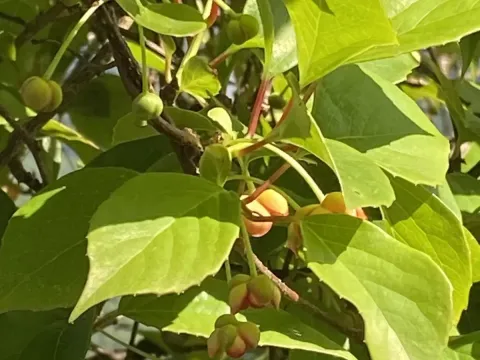
Schisandra
Schisandra Michx.
Propagation of Schisandra (Schisandra chinensis), a member of the Schisandraceae family, is typically achieved through seeds or vegetative methods like layering and cuttings.
What the section contains


Schisandra
Sowing seeds outdoors is most effective in autumn, immediately after harvest, allowing the seeds to undergo natural stratification during the winter months.
If sowing in the spring, seeds must be artificially stratified for approximately two to three months at temperatures between 1 and 5 degrees Celsius.
Vegetatively propagated saplings are best transplanted in early spring or early autumn, before the plant enters its active growth phase.
As Schisandra is a perennial woody vine, it requires adequate space and sturdy vertical support structures to thrive and reach maturity.
Native to East Asia, this plant prefers locations with high air humidity and protection from harsh, direct sunlight during the hottest parts of the day.
Schisandra demands fertile, well-drained loamy or sandy soil with a neutral to slightly acidic pH for optimal development.
The plant is highly sensitive to waterlogging at the root zone; therefore, proper drainage is essential, especially in clay-heavy soil conditions.
Vertical supports such as trellises, arbors, or pergolas are necessary to manage the vine's growth and facilitate air circulation between branches.
Mulching the root area is a vital practice to maintain moisture consistency and protect the shallow root system from extreme temperature fluctuations.
Plants grown from seeds generally begin fruiting in their fifth or sixth year, while those propagated vegetatively may start producing as early as year three or four.
A mature, healthy plant can produce between 3 to 5 kilograms of berries per season, depending on environmental factors and maintenance quality.
Schisandra berries are commercially valued in both the food and pharmaceutical industries for their high concentration of active compounds like schisandrin.
The fruit, leaves, and seeds possess potent adaptogenic properties, frequently used in the manufacturing of health supplements, teas, and herbal tonics.
Regular annual pruning is crucial to prevent dense overgrowth, improve light penetration, and stimulate the production of new fruit-bearing buds.
The plant is susceptible to various fungal diseases, such as leaf spot, which tends to proliferate in conditions with excessive moisture and poor airflow.
Powdery mildew can also affect younger leaves and shoots, especially during periods of high humidity and significant temperature shifts between day and night.
Pests such as sawfly larvae, which graze on the foliage, and aphids, which target tender new growth, are the most frequent threats to the vine's health.
Implementing preventative measures, such as applying fungicides and insecticides before the flowering stage, is recommended to safeguard the harvest.
Maintaining a clean growing area, removing infected stems, and ensuring the vine is not overcrowded are effective ways to mitigate disease risks.
The harvesting period for Schisandra berries begins in late August or September, when the clusters turn a vibrant, deep red color and soften.
Berries should be harvested carefully with their stalks intact to avoid damaging the delicate skin, which prevents juice loss and oxidation.
After collection, the fruit should be processed or dried promptly at temperatures between 50 and 60 degrees Celsius to preserve its medicinal components.
When handling large volumes, fruit should be stored in shallow, ventilated containers to prevent crushing and the leakage of juices under the weight.
Properly dried Schisandra berries take on a dark burgundy appearance and retain their unique citrus-like aroma and therapeutic potency for years.