
Kadsura longipedunculata
Kadsura longipedunculata
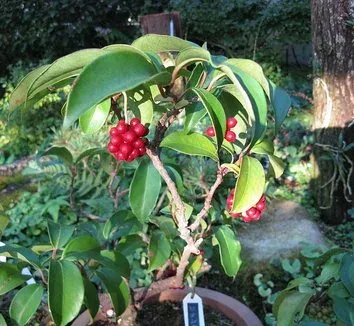
Description
Sowing dates
Kadsura longipedunculata is typically propagated through seeds or vegetative cuttings. Seeds require a mandatory cold stratification period of 2 to 3 months to break dormancy and ensure high germination rates.
Sowing in a controlled greenhouse environment is recommended in early spring. The seeds should be planted in a well-draining, nutrient-rich substrate while maintaining a consistent ambient temperature of about 20–22°C.
Vegetative propagation via semi-hardwood cuttings is often preferred for large-scale production. Cuttings are taken in late spring, treated with rooting hormones, and placed in high-humidity chambers to facilitate root development.
Transplanting to the final growing location should occur once the danger of late frost has passed. Young plants require careful handling of their sensitive root systems during this transition phase.
Establishing proper trellis systems is essential at the time of planting. As a climbing vine, Kadsura requires structural support to reach its full growth potential and facilitate access for harvest.
Growing requirements
Belonging to the Schisandraceae family, Kadsura longipedunculata is a woody vine native to the subtropical regions of East Asia. It thrives in high-humidity environments and is well-adapted to forest understory conditions.
The plant prefers fertile, well-draining soils with a slightly acidic to neutral pH. Proper soil aeration is crucial to prevent root rot, which is a common issue in waterlogged conditions.
Partial shade is necessary for optimal growth. Direct exposure to intense midday sunlight can cause leaf scorching and excessive transpiration, which significantly stresses the plant during summer months.
Climatic requirements focus on warmth and shelter from strong winds. In temperate climates, Kadsura must be protected during winter or kept in greenhouses to prevent frost damage to the main stems.
Regular irrigation is needed to maintain consistent soil moisture, particularly during the active growing season. Mulching around the base of the plant can help retain moisture and protect roots from temperature swings.
Yield
The economic value of Kadsura longipedunculata primarily stems from its fruit, which contains active compounds utilized in traditional medicine and pharmaceutical research.
Productivity increases significantly as the vine matures, typically beginning to bear fruit between the 3rd and 5th year of growth. Yield is highly dependent on cross-pollination and environmental conditions.
To maximize fruit production, regular pruning is required. Removing dead wood and excessive vegetative growth ensures that the plant redirects energy towards fruit development instead of foliage.
Fertilization with balanced NPK formulas, specifically targeting potassium for fruit ripening, helps improve the quality and quantity of the harvest in commercial plots.
The fruits consist of multi-berry clusters that require careful monitoring for maturity. Effective yield management involves protecting plants from pests that can damage the developing berry clusters.
Main diseases and pests
The most common threats to Kadsura longipedunculata are fungal infections, such as leaf spot and stem rot, often exacerbated by poor ventilation and high humidity within the dense canopy.
Pests, particularly aphids and spider mites, are common in both greenhouse and outdoor environments. These insects pierce leaves, drawing out cell sap and weakening the overall vigor of the plant.
Disease management relies heavily on cultural practices, including strategic pruning to ensure air circulation and strict sanitation to remove infected plant parts promptly.
Integrated pest management (IPM) is recommended to control insect populations without harming beneficial pollinators. Biological controls or targeted organic insecticides are preferred for edible crop production.
Monitoring the plants for stress symptoms is a vital part of agronomic maintenance. Detecting issues early prevents the spread of pathogens throughout the planting area.
Harvesting
Harvesting is performed manually when the berry clusters reach full biological maturity, marked by a deep, vibrant color change and a slight softening of the fruit texture.
The timing of the harvest is critical, as overripe fruit can lose its quality rapidly. Harvesting should be done in the cool morning hours to maintain the freshness and moisture content of the fruit.
Post-harvest processing involves immediate cleaning and sorting. Because the berries are highly perishable, they are frequently processed into extracts or frozen using blast-freezing technology.
Tools used during harvesting, such as shears or knives, must be kept sterile to prevent the transmission of diseases between individual vines during the collection process.
Storage requires well-ventilated crates or refrigerated containers to prevent overheating, which would lead to rapid decay and a reduction in the concentration of bioactive compounds.