
Correa harrisii
Correa harrisii
Description
Growing requirements
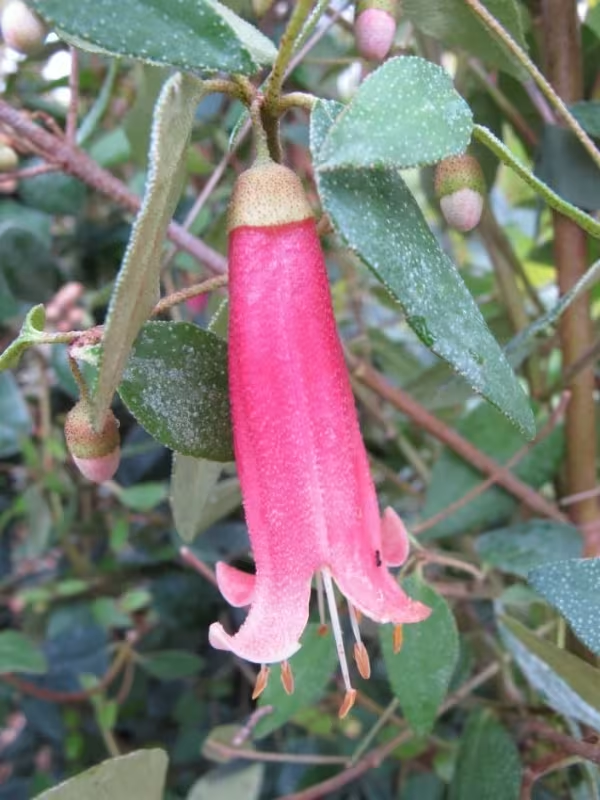
Correa harrisii is an evergreen ornamental shrub belonging to the Rutaceae family. It is a prized hybrid known for its tubular, bell-shaped flowers that provide a high aesthetic value in decorative horticulture.
The plant originates from regions with mild, maritime-influenced climates. In professional cultivation, it is primarily grown as a container plant or in specialized greenhouses to maintain the precise temperature and humidity levels it requires to thrive.
Soil requirements for this species are specific: it necessitates well-draining, acidic to neutral soil. Poorly drained substrates lead to root asphyxiation, making the inclusion of perlite or coarse sand in the planting medium essential for optimal root development.
Agrotechnical management involves meticulous watering practices. The root ball should remain slightly moist but never waterlogged. Regular fertilization with low-phosphorus feeds is recommended during the peak growing season to ensure vigorous flowering.
The primary horticultural application of Correa harrisii is in interior landscaping and protected environments. Its ability to bloom for extended periods makes it a popular choice for conservatory displays and high-end botanical collections.
Main diseases and pests
The main pests affecting Correa harrisii include mealybugs and spider mites, particularly in indoor environments with low airflow. Consistent monitoring and the use of targeted systemic insecticides are necessary for control.
Fungal pathogens such as Phytophthora are the most significant threats to the root system. These diseases are usually triggered by overwatering and lack of proper drainage, emphasizing the need for strict water management protocols.