
Correa
Correa hybrids
Description
Growing requirements
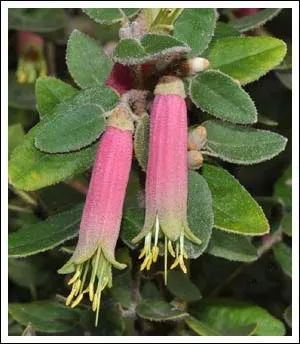
Correa hybrids are evergreen shrubs belonging to the Rutaceae family, native to Australia. These plants are highly valued in horticulture for their unique, bell-shaped flowers and attractive, dense foliage.
The genus displays significant botanical diversity, featuring leaves that are often leathery or felted, reflecting their adaptation to varied climatic conditions ranging from temperate to coastal regions.
Optimal growth requires well-drained, acidic soil that mimics the natural environment of these shrubs. Poor drainage is the most common cause of failure in agricultural and garden settings.
Light levels are crucial for healthy development; while some species tolerate partial sun, most hybrids thrive in bright, filtered light. Protecting the plants from intense midday heat is essential in warmer zones.
Climatic requirements involve stable temperatures, ideally avoiding extremes. While they can withstand light frost, prolonged exposure to freezing temperatures may damage the delicate flower buds.
Main diseases and pests
Root rot, particularly caused by Phytophthora species, is the primary threat to Correa. This pathogen thrives in waterlogged soil and can lead to rapid decline and death of the plant.
Pests such as scale insects and spider mites frequently affect the shrubs, especially in confined greenhouse environments. These pests can weaken the plant by extracting sap from leaves and stems.
Mealybugs also pose a risk, often clustering in the leaf axils. Physical removal or specialized insecticide applications are effective if the infestation is caught in its early stages.
Fungal infections, including powdery mildew, can appear if air circulation is insufficient. Improving ventilation and maintaining proper spacing between plants is critical for disease prevention.
Integrated pest management protocols, emphasizing proper watering and sanitation, are recommended to minimize the need for chemical interventions and maintain overall plant vigor.