
Correa lawrenciana
Correa lawrenciana
Description
Growing requirements
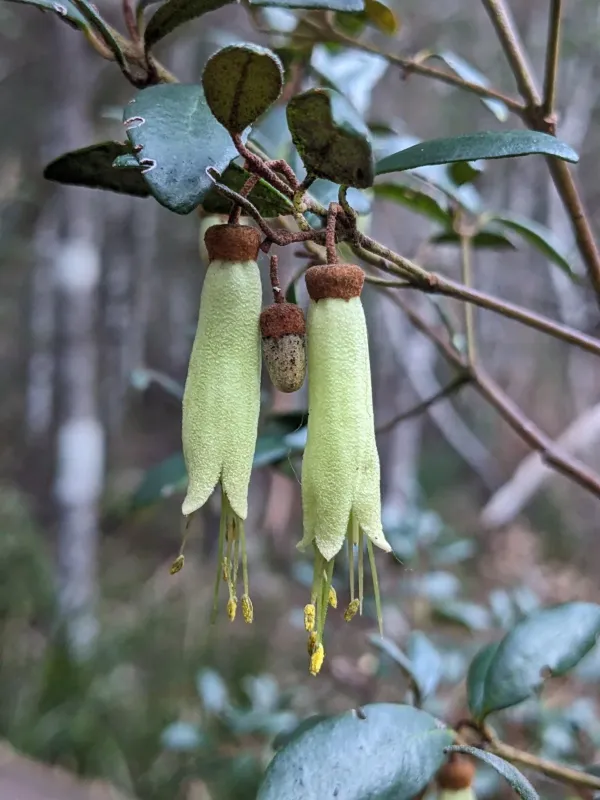
Correa lawrenciana is a robust evergreen shrub belonging to the Rutaceae family, native to the temperate forest regions of southeastern Australia and Tasmania. It is widely recognized for its elegant, bell-shaped flowers and dense, leathery foliage.
In terms of light exposure, this species thrives best in partial shade. It naturally occurs in the understory, meaning it has adapted to filtered light and may suffer from leaf scorch if exposed to intense, direct afternoon sun for extended periods.
The soil requirements are strict regarding drainage. A well-draining, slightly acidic substrate is essential to prevent root asphyxiation. Gardeners should incorporate organic matter and ensure that the plant is not sitting in waterlogged soil.
Climate conditions should mimic a cool-temperate environment. While it can tolerate light frosts, it is not considered highly hardy. Protecting the shrub from harsh, drying winds is crucial for maintaining the integrity of its leaves and buds.
Agrotechnical maintenance involves consistent but careful irrigation. The soil moisture should be kept stable, allowing it to dry out slightly between waterings, but never reaching the point of complete drought, especially during the active growth phase.
Main diseases and pests
Root rot caused by Phytophthora species is the most significant threat to the plant. This is usually triggered by poor soil aeration and excessive irrigation, necessitating strict control over watering cycles and drainage quality.
Pest pressure from scale insects and mealybugs can affect the plant's aesthetic value. These insects typically cluster on stems and leaf undersides, requiring systemic insecticides or manual removal to effectively manage the population.
Spider mites represent a common issue in dry, indoor environments or during heatwaves. Increasing ambient humidity and ensuring proper airflow are effective methods for preventing outbreaks and maintaining plant health.
Fungal leaf spots can occur when foliage remains wet for too long in poorly ventilated areas. Pruning the center of the shrub to improve airflow and avoiding overhead watering are recommended preventative strategies.
Nutrient deficiencies, particularly iron or magnesium, can present as leaf chlorosis. Regular soil testing and the application of balanced, phosphorus-sensitive fertilizers help ensure the plant receives the correct nutrition for optimal growth.