
Correa backhousiana
Correa backhousiana
Description
Growing requirements
Correa backhousiana, commonly known as the White Correa, is an evergreen shrub belonging to the Rutaceae family. Native to the coastal regions of southeastern Australia and Tasmania, it is highly valued for its robust adaptation to maritime climates.
The plant requires well-drained, sandy to loamy soil conditions to thrive. It is essential to ensure that the site has excellent drainage, as the species is susceptible to root rot if subjected to waterlogged soil for extended periods.
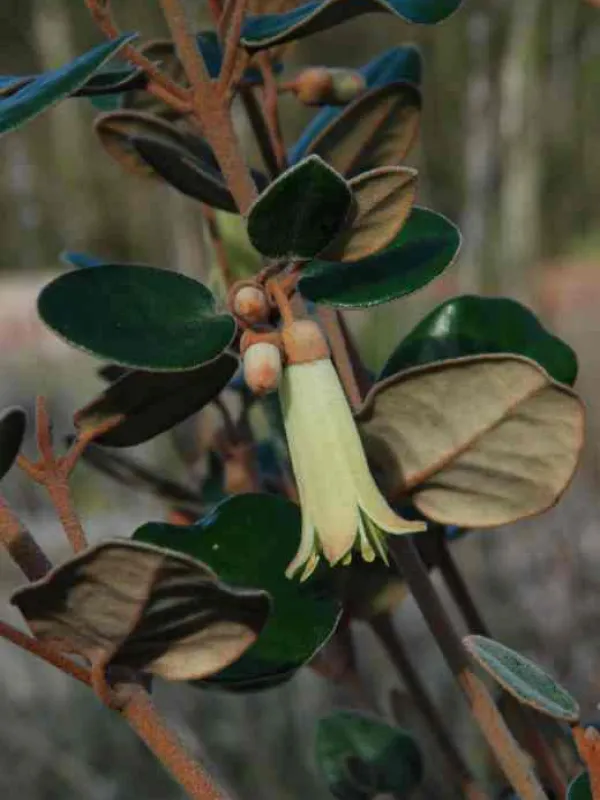
Botanically, this shrub is distinguished by its dense, opposite leaves which feature a soft, velvety indumentum on the underside. The flowers, shaped like small pendulous bells, bloom in shades of cream, white, or pale green, providing significant aesthetic value.
In terms of climate, it prefers temperate conditions with protection from severe frost. While it is relatively hardy, providing a layer of mulch around the root zone helps to regulate soil temperature and retain necessary moisture during warmer months.
Horticulturally, it is utilized as an ornamental plant in gardens. It responds well to pruning, which encourages a denser growth habit, making it an excellent choice for hedging or individual feature planting in landscape architecture.
Main diseases and pests
The primary threat to the health of Correa backhousiana is fungal infection of the roots, often exacerbated by poor soil drainage. Maintaining a proper irrigation schedule is critical to preventing these pathogenic issues.
Common pests include scale insects and mealybugs, which can settle on the undersides of the leaves or along the stems. Regular monitoring and the application of horticultural oils or insecticidal soap are typically sufficient for management.