
Correa bauerlenii
Correa bauerlenii
Description
Growing requirements
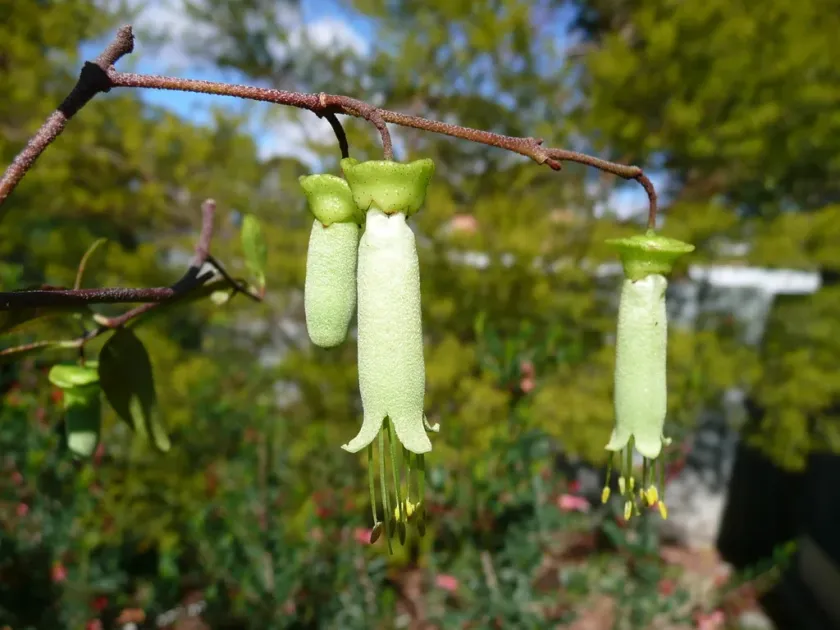
Correa bauerlenii, commonly known as Bauerlen's Correa, is an evergreen shrub belonging to the Rutaceae family. Native to the coastal regions of New South Wales, Australia, this species is highly valued in horticulture for its distinctive, glossy foliage and unique, lantern-shaped flowers.
The plant thrives in partial shade, preferring protection from harsh, direct sunlight. It is best suited for temperate to subtropical climates where frosts are minimal. In colder regions, it is frequently grown in pots or containers to allow for indoor protection during winter months.
Well-draining, slightly acidic soil is crucial for the healthy development of this shrub. It does not tolerate waterlogged conditions, which can quickly lead to root decay. Gardeners often amend heavy soils with organic matter and drainage materials like pumice to ensure optimal aeration.
Agrotechnical practices involve regular, moderate watering, allowing the top layer of soil to dry out between applications. The plant benefits from specialized fertilizers formulated for Australian native plants, which typically require lower levels of phosphorus to prevent nutrient toxicity.
In terms of landscape use, Correa bauerlenii is excellent for low-maintenance shrub borders or as a container specimen. Its compact growth habit and natural resistance to wind make it a versatile choice for coastal gardens or shaded patio environments.
Main diseases and pests
The primary threats to Correa bauerlenii are soil-borne pathogens, particularly Phytophthora root rot, which is triggered by excessive moisture and poor drainage. Ensuring high standards of soil hygiene and drainage is the most effective preventative measure against these diseases.
Common pests that can affect this plant include scale insects and spider mites. These pests thrive in dry or confined environments, so proper spacing and air circulation are vital to prevent large-scale infestations that could damage the foliage.
Managing disease involves the prompt removal of affected branches and the application of fungicides if spots or discoloration appear on leaves. Maintaining good air movement around the canopy helps minimize the conditions favorable for fungal growth.
Pest control is most effective when managed early. Regular inspection of the undersides of leaves and manual removal of minor infestations can often preclude the need for intensive chemical interventions throughout the growing season.
By providing adequate fertilization and avoiding water stress, growers can significantly enhance the plant's natural resilience. Healthy, well-nourished plants are consistently more capable of resisting opportunistic pest attacks and environmental stressors.