
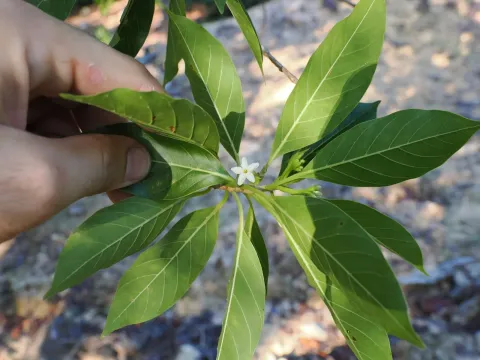
Timonius
Timonius
The genus Timonius belongs to the Rubiaceae family, comprising a diverse group of trees and shrubs native to tropical environments. These plants are primarily distributed across Southeast Asia, the Pacific Islands, and Northern Australia.
What the section contains


Timonius
Environmental conditions for Timonius involve a high-humidity, warm climate that supports year-round growth. They are typically found in rainforests, functioning as a vital component of the understory ecosystem.
Soil requirements are centered on high permeability and organic richness. The plants thrive in well-drained soils, as they are susceptible to root rot when placed in waterlogged conditions for extended periods.
Botanically, they are characterized by opposite leaves and distinctive flowering patterns that support local pollinator populations. Their growth habit varies from small bushes to large forest trees depending on the specific species.
In terms of human use, Timonius is valued in some regions for its wood in traditional construction and in ethnomedicine for its bioactive compounds found in leaves and fruit.
The primary threats to Timonius species include fungal pathogens that exploit the high moisture levels in tropical regions, leading to leaf spot and stem cankers.
Invertebrate pests, such as leaf-eating beetles and spider mites, are frequently observed, particularly in environments where plant diversity is low.
Environmental degradation, specifically deforestation and loss of habitat, poses a significant risk to the natural genetic diversity of this genus.
Cultural management should focus on maintaining optimal space between plants to allow for airflow, which significantly reduces the risk of fungal proliferation.
Monitoring for signs of nutrient deficiency and implementing balanced fertilization programs are essential for ensuring the longevity of adult trees.