
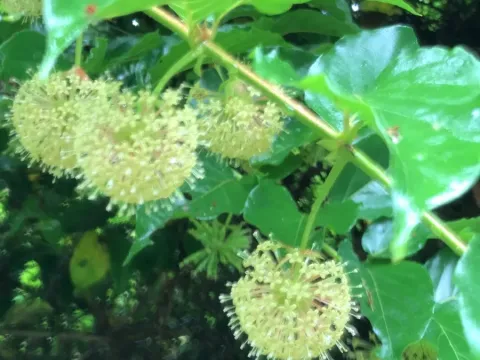
Uncaria
Uncaria
Propagation of Uncaria is typically achieved through seeds or stem cuttings, which require controlled greenhouse conditions to ensure successful germination and establishment.
What the section contains
 Cat's claw
Uncaria tomentosa
Sessile-fruit cat's claw
Uncaria sessilifructus
Uncaria callophylla
Uncaria callophylla
Cat's claw
Uncaria tomentosa
Sessile-fruit cat's claw
Uncaria sessilifructus
Uncaria callophylla
Uncaria callophylla
 Uncaria cordata
Uncaria cordata
Uncaria cordata
 Uncaria gambir
Uncaria gambir
Uncaria gambir
 Uncaria longiflora
Uncaria longiflora
Uncaria longiflora
 Uncaria pedicellata
Uncaria pedicellata
Uncaria pedicellata
 Uncaria rhynchophylla
Uncaria rhynchophylla
Uncaria rhynchophylla
Uncaria
Seeds must be sown in a high-quality, moist, and well-draining substrate while maintaining a temperature range between 25 and 30 degrees Celsius for optimal results.
Vegetative propagation using semi-hardwood cuttings is preferred for commercial plantations to ensure genetic uniformity and faster development of the root system.
Initial growth stages are slow, and young seedlings require protection from direct sunlight and environmental stress until they develop sufficient root mass.
Once the young plants are robust enough, they are transplanted into nursery beds or directly into the field, provided that the climate is sufficiently warm and humid.
Uncaria, belonging to the Rubiaceae family, is a woody vine native to the tropical regions of Central and South America, requiring specific ecological conditions.
The plant thrives in deep, fertile soils rich in organic matter, with excellent drainage systems to prevent root rot and other moisture-related diseases.
A high ambient humidity level and consistent temperatures throughout the year are essential for the plant to achieve vigorous growth and accumulate active compounds.
While the plant benefits from bright filtered light, it needs protection from harsh, direct midday sun, especially during the early years of its development.
Regular irrigation is vital, particularly in areas where rainfall is seasonal, as drought conditions can significantly impair the accumulation of alkaloids in the bark.
The primary agricultural interest in Uncaria is its bark, which contains specialized compounds used extensively in the global pharmaceutical and supplement industries.
Harvesting strategies are designed to be sustainable, involving the extraction of bark in a manner that allows the vine to continue growing and regenerating its protective layers.
Productivity metrics are highly dependent on the age of the vines, with mature stands providing a significantly higher yield of quality material per hectare.
After harvesting, the bark undergoes a processing stage where it is cleaned of debris, sized into manageable fragments, and dried under controlled temperature conditions.
Quality control standards are rigorous, as the market value of the product is dictated by the concentration of specific bioactive alkaloids identified in laboratory testing.
Common agricultural threats to Uncaria include various fungal pathogens that thrive in the dense canopy and high-humidity environments where the plants grow.
Insect pests, including mealybugs and various species of mites, can damage the foliage and stunt the development of new shoots, requiring careful monitoring.
Preventative measures involve maintaining proper spacing between vines to facilitate airflow, which is critical for preventing the spread of humidity-loving diseases.
Integrated pest management strategies are often employed to minimize the use of chemical pesticides, thereby preserving the organic integrity of the medicinal harvest.
Timely removal of dead or infected plant parts is a standard practice to keep the plantation healthy and productive over its lifespan.
The harvesting process involves manual labor, as the plant features hook-like structures that require careful handling and the use of protective equipment by field workers.
Strategic harvesting occurs during the dry season to minimize the risk of mold formation and to simplify the drying process of the bark material.
Workers carefully select specific sections of the stem to strip the bark, ensuring that the cambium layer remains intact to support the plant's long-term health.
Post-harvest logistics focus on quick transport to processing facilities to prevent the degradation of heat-sensitive compounds within the harvested material.
Proper storage is essential; the final product must be kept in cool, dry conditions with adequate ventilation to prevent spoilage and contamination before reaching the market.