
Timonius salicifolius
Timonius salicifolius
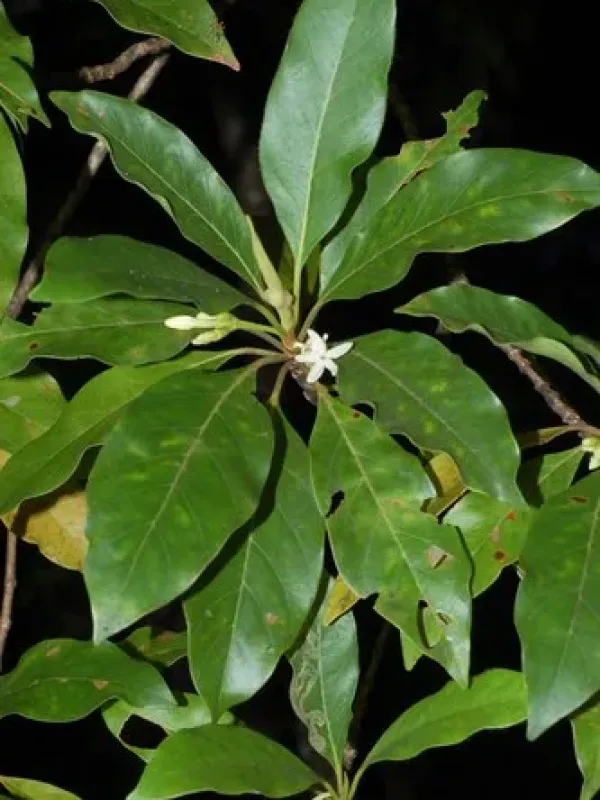
Description
Growing requirements
Timonius salicifolius is a distinctive woody plant species belonging to the Rubiaceae family. Naturally found in the tropical environments of Southeast Asia and Australia, it occupies niches within moist forest ecosystems and tropical thickets.
The plant requires high levels of humidity and consistent soil moisture to thrive. It performs best in nutrient-rich, well-draining substrates that mimic the organic-rich forest floor. Regular moisture levels are essential, particularly during the early stages of the plant's development.
Environmental requirements for this species are strictly tied to tropical climates where temperatures remain stable year-round. It is highly intolerant of frost and extreme temperature fluctuations, which dictates that its cultivation is restricted to tropical or controlled greenhouse conditions.
Botanically, the species is characterized by its willow-like leaf structure, which provides the primary visual appeal. The flowers are generally small and typical of the Rubiaceae, often playing a role in local ecosystems by supporting specific insect populations through pollination.
In terms of agricultural or economic utility, Timonius salicifolius is not a standard commercial crop. Its primary significance lies in ecological preservation, academic research into the biodiversity of the Rubiaceae family, and occasional use in specialized botanical landscaping projects within tropical regions.