
Three-lobed bedstraw
Galium trilobum
Description
Growing requirements
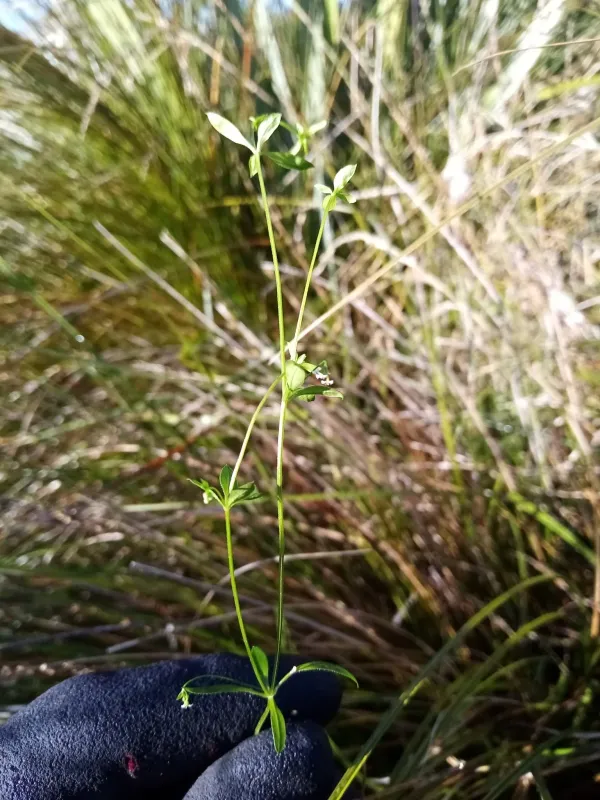
Three-lobed bedstraw (Galium trilobum) is an herbaceous perennial plant that belongs to the family Rubiaceae. It is distinguished by its delicate structure, typically characterized by whorled leaves and a creeping or climbing stem habit, which makes it a notable member of the Galium genus.
The plant thrives in temperate climates, showing a strong preference for moist, nutrient-rich soils. Successful cultivation requires a location with good drainage to prevent waterlogging, which the root system is particularly sensitive to during the initial phases of establishment.
In terms of soil requirements, this species prefers slightly acidic to neutral soil conditions. Incorporating compost or well-rotted organic matter into the planting site significantly enhances the biomass yield and ensures the necessary nutrient supply for optimal plant development.
The climate requirements for Galium trilobum involve consistent moisture and partial shade. While the plant can tolerate some sunlight, protection from harsh, direct afternoon sun is recommended in warmer regions to maintain the quality of the foliage and prevent transpiration stress.
Agrotechnical practices focus on maintaining soil aeration and managing weed competition. Since the plant has a somewhat fragile structure compared to larger crops, manual weeding or careful mechanical cultivation is preferred to ensure that the bedstraw remains the dominant cover on the plot.
Main diseases and pests
The primary threats to the crop include fungal pathogens such as powdery mildew, especially in humid and stagnant air conditions. Improving airflow within the planting rows and applying preventive fungicides are the standard professional measures for mitigating these infections.
Regarding pest management, aphids and spider mites are common concerns that can reduce the commercial value of the herb. Regular field scouting and the use of integrated pest management (IPM) strategies, including biological controls, are essential for maintaining a healthy and productive crop stand.