
Timonius timon
Timonius timon
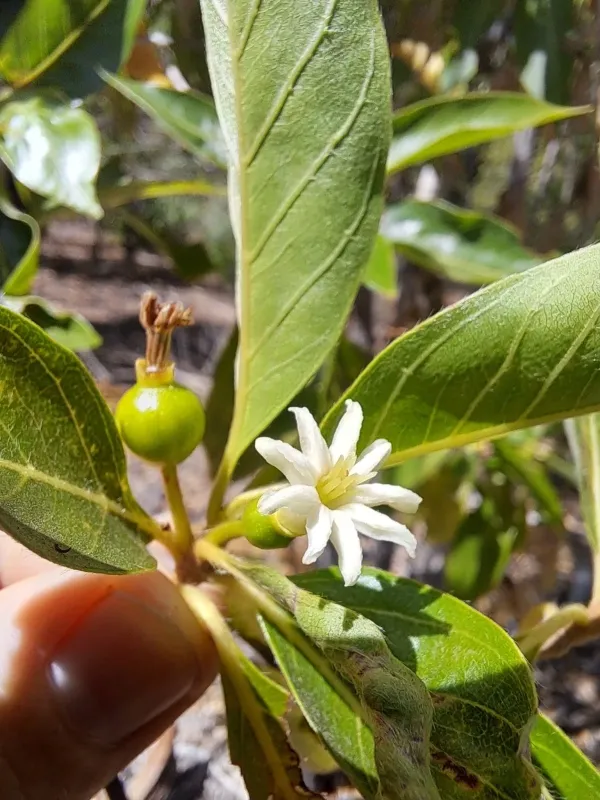
Description
Growing requirements
Timonius timon is an evergreen tree species classified within the Rubiaceae family. Known for its distinct morphological features, this plant species is a key component of the tropical landscapes in Southeast Asia, Northern Australia, and various Pacific islands, contributing significantly to local forest biomass.
The native habitat of this plant includes lush, humid tropical regions. It is highly valued in its natural range for its ability to act as a pioneer species, successfully colonizing disturbed soils and open areas where other vegetation struggles to establish itself due to nutrient competition or light scarcity.
In terms of climatic requirements, Timonius timon thrives in warm, humid conditions with consistent annual rainfall. It performs best in well-drained, fertile soil types, preferring substrates that allow for deep root penetration. Maintaining soil aeration is crucial for the long-term health and structural stability of the tree.
Agrotechnical management involves consistent monitoring of soil moisture, particularly for juvenile specimens. While the species demonstrates natural resistance to various environmental stresses, supplemental irrigation during prolonged dry spells can significantly accelerate growth and improve the general vigor of the planting.
The socio-economic utilization of Timonius timon is primarily found in traditional medicine and environmental restoration. The bark and leaves contain compounds that have been historically studied for their therapeutic properties. Furthermore, the tree provides essential ecological services by offering shelter and food resources for a diverse range of tropical avian fauna.
Main diseases and pests
Common botanical threats include fungal infections that manifest as leaf spots or stem decay during extended rainy seasons. Maintaining proper spacing between plants is an essential strategy to promote airflow and reduce the humidity levels that encourage fungal pathogens to proliferate within the canopy.
Insect pests, such as leaf-eating beetles and sap-sucking insects, present a moderate threat to younger foliage. Effective management strategies involve monitoring pest populations and encouraging local predator species. Integrated pest management practices help ensure the plant remains productive without the excessive use of chemical interventions.