
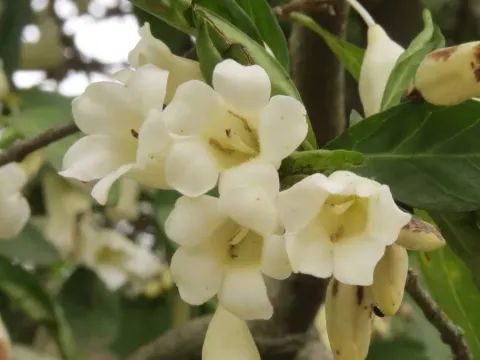
Tricalysia
Tricalysia
Propagating Tricalysia is most effectively achieved through seeds or semi-hardwood cuttings. Seeds should be sown immediately after harvesting, as their viability decreases significantly over time. Use a well-draining, sterile potting mix for the best results.
What the section contains


Tricalysia
The optimal sowing period is during the spring when increasing daylight encourages germination. Greenhouse conditions allow for year-round propagation provided that the temperature remains consistently warm and stable.
For cutting propagation, select healthy, semi-mature shoots and treat them with a rooting hormone to enhance establishment. Plant them in a mixture of peat and perlite, keeping them under high humidity conditions until roots develop.
Seeds should be covered with a very thin layer of substrate, roughly 1-2 cm deep. Maintaining constant surface moisture is crucial, and using a misting system or a plastic cover will help retain humidity during the early weeks.
Seedlings typically appear within three to six weeks. Once they reach the appropriate size with several true leaves, they should be carefully transplanted into individual containers to allow for continued development and root growth.
Tricalysia belongs to the Rubiaceae family and is native to tropical forests in Africa and Asia. Consequently, it requires a warm, humid environment to thrive. It performs best in temperatures ranging between 20°C and 28°C throughout the year.
The soil must be rich in organic matter, slightly acidic to neutral in pH, and highly permeable. A mix containing compost, peat moss, and sand or perlite is ideal to ensure proper aeration and prevent moisture retention.
While the plant can tolerate partial shade, bright, indirect light is essential for optimal growth and flowering. Avoid direct, intense afternoon sun, which can scorch the delicate foliage and stress the plant.
High relative humidity is vital for Tricalysia. In indoor or greenhouse settings, regular misting or the use of humidifiers is necessary to keep levels above 70%, especially during warmer months or dry periods.
Regular watering is required to keep the growing medium consistently moist but never waterlogged. Overwatering is the most common cause of root rot, so ensuring excellent drainage is non-negotiable for successful growth.
Tricalysia is not widely grown as a commercial food crop but holds value in ornamental horticulture. Its attractive foliage and potential for fragrant flowers make it a desirable addition to tropical landscapes and collections.
Production for the nursery market involves shaping the plants through regular pruning. Well-structured, compact specimens are highly sought after by collectors and professional interior landscapers, defining the economic yield of the crop.
While some species are traditionally used in ethnobotany for medicinal purposes, there is currently no large-scale industrial processing for such applications. The crop remains primarily a niche product for decorative use.
Seed production for nursery stock requires controlled pollination in specialized greenhouses. Harvesting must be timed precisely with fruit maturation to ensure that the seeds are fully developed and ready for distribution.
Economic success in cultivating Tricalysia depends on maintaining high-quality standards and healthy plant vigor. Producers focusing on rare or particularly aesthetic varieties can find success in the specialty plant market.
Fungal diseases, particularly root rots caused by overwatering or poor ventilation, are the primary threats to Tricalysia. These pathogens can spread quickly in stagnant, humid environments, leading to total crop failure if left unchecked.
Common insect pests include mealybugs, aphids, and spider mites. These pests thrive in indoor environments where natural predators are absent, often colonizing the undersides of leaves and young stems.
Integrated pest management, including the use of systemic insecticides and neem oil, is recommended for controlling infestations. Regular monitoring is the first line of defense to prevent an outbreak from spreading.
Sanitation is key to preventing the spread of diseases. Always remove and destroy infected plant parts immediately and ensure that all gardening tools are cleaned regularly to avoid cross-contamination between specimens.
Promoting good airflow is essential for the plant's health. Adequate spacing between individual plants in a greenhouse significantly reduces the humidity buildup that leads to mildew and other foliage-related issues.