
Timonius singularis
Timonius singularis
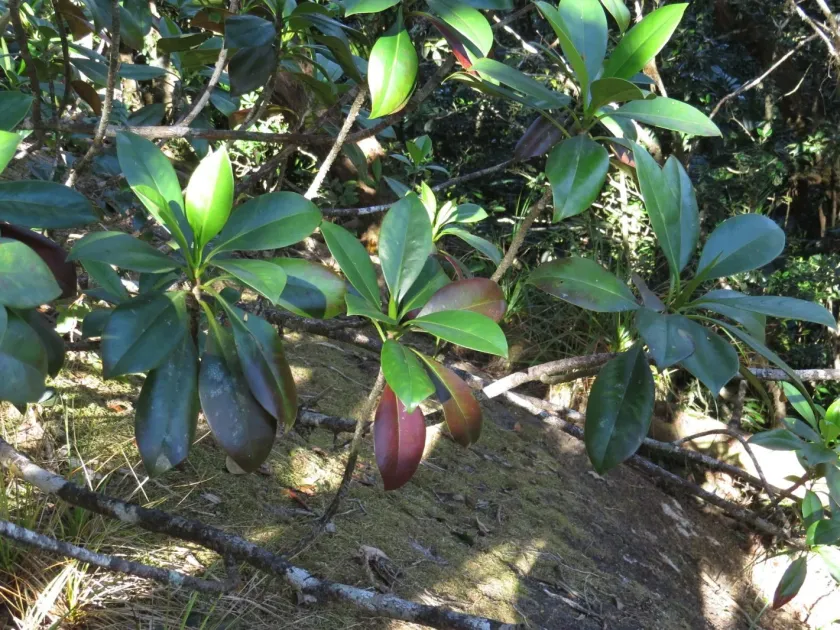
Description
Growing requirements
Timonius singularis is a significant botanical species belonging to the Rubiaceae family. Naturally occurring in the tropical zones of Southeast Asia and Oceania, this plant typically thrives in the understory of dense rainforests, where it benefits from a highly stable microclimate and constant humidity levels.
The climatic requirements for this crop are strictly tropical. It requires consistent warmth throughout the year, with an ideal temperature range between 20°C and 28°C. The species is highly intolerant to frost, and even short exposures to low temperatures can lead to irreversible physiological damage and the cessation of growth processes.
Soil management for Timonius singularis emphasizes the need for well-draining, nutrient-rich substrates. The plant prefers slightly acidic to neutral soils that mimic the organic-rich leaf litter found in its natural habitat. Proper drainage is critical, as waterlogged conditions quickly lead to root rot and systemic plant failure.
Light intensity management is essential for proper crop development. While the species is adapted to partial shade, providing filtered light promotes healthy canopy density and enhances the physiological robustness of the tree. Direct, harsh midday sunlight should be mitigated to prevent leaf scorch during the early stages of cultivation.
In terms of agricultural and horticultural use, Timonius singularis is valued for its potential in tropical reforestation efforts and as an ornamental species. Its structural characteristics make it suitable for inclusion in agroforestry systems where biodiversity conservation and the maintenance of complex vegetation layers are priority objectives.
Main diseases and pests
The primary threats to the health of the plant include fungal pathogens such as leaf spot and root decay, which are exacerbated by high humidity and poor air movement within the crop canopy. Maintaining strict hygiene and adequate spacing between individual plants is the most effective preventative measure against these infections.
Insect pests, including various aphids and scale insects, pose a recurring challenge. These pests feed on the nutrient-rich sap of the foliage, potentially stunting growth if left unchecked. A strategy of regular field scouting and the use of targeted biological controls is recommended for sustainable management of the crop population.